iPhone 18 Pro Expected to See Significant Price Hike Amid Component Cost Increases
Amid increasing costs for key components such as RAM and storage, Apple has signaled that consumers can expect price hikes across its product range. According to estimates from The Wall Street Journal, the iPhone 18 Pro's starting price is likely to climb to $1,399 or more, marking a notable shift in its pricing strategy.
WSJ Estimates Rising Costs Ahead for iPhone 18 Pro
In a recent report by Nicole Nguyen and Rolfe Winkler of The Wall Street Journal, Tim Cook, Apple's Chief Executive, indicated that the company isn't insulated from soaring chip prices. This acknowledgment indicates not just a concern for profit margins, but a wider trend affecting tech manufacturers globally. Although specifics on which devices will see price increases have yet to be finalized, Cook's comment, “We’re still working through that,” leaves consumers in a state of uncertainty. While Apple has often managed to uphold its pricing strategy, the impending increase suggests a shift driven by market pressures less resistant to company control. Expect clarity on these matters as Apple approaches its fall product launches, a cycle that typically brings transparency on price adjustments.
Analysts at WSJ estimate that the iPhone 18 Pro will start at a baseline of $1,299, but a price tag of $1,399 or higher seems more probable. This marks a significant increase of $200 to $300 over the iPhone 17 Pro’s pricing. If you're working in this space, you'll recognize that such price hikes aren't just abstract numbers; they fundamentally reshape consumer accessibility to premium technology.
With anticipated larger storage options and premium models like the iPhone 18 Pro Max and the iPhone Ultra, pricing for these higher tiers will naturally escalate even further. Apple’s strategy often hinges on multiple tiers within its product offerings, encouraging various financial commitments depending on consumer needs and preferences. However, the broader economic context of inflation and supply chain issues implies that even loyal customers may begin to reassess the value proposition of these higher-end models.
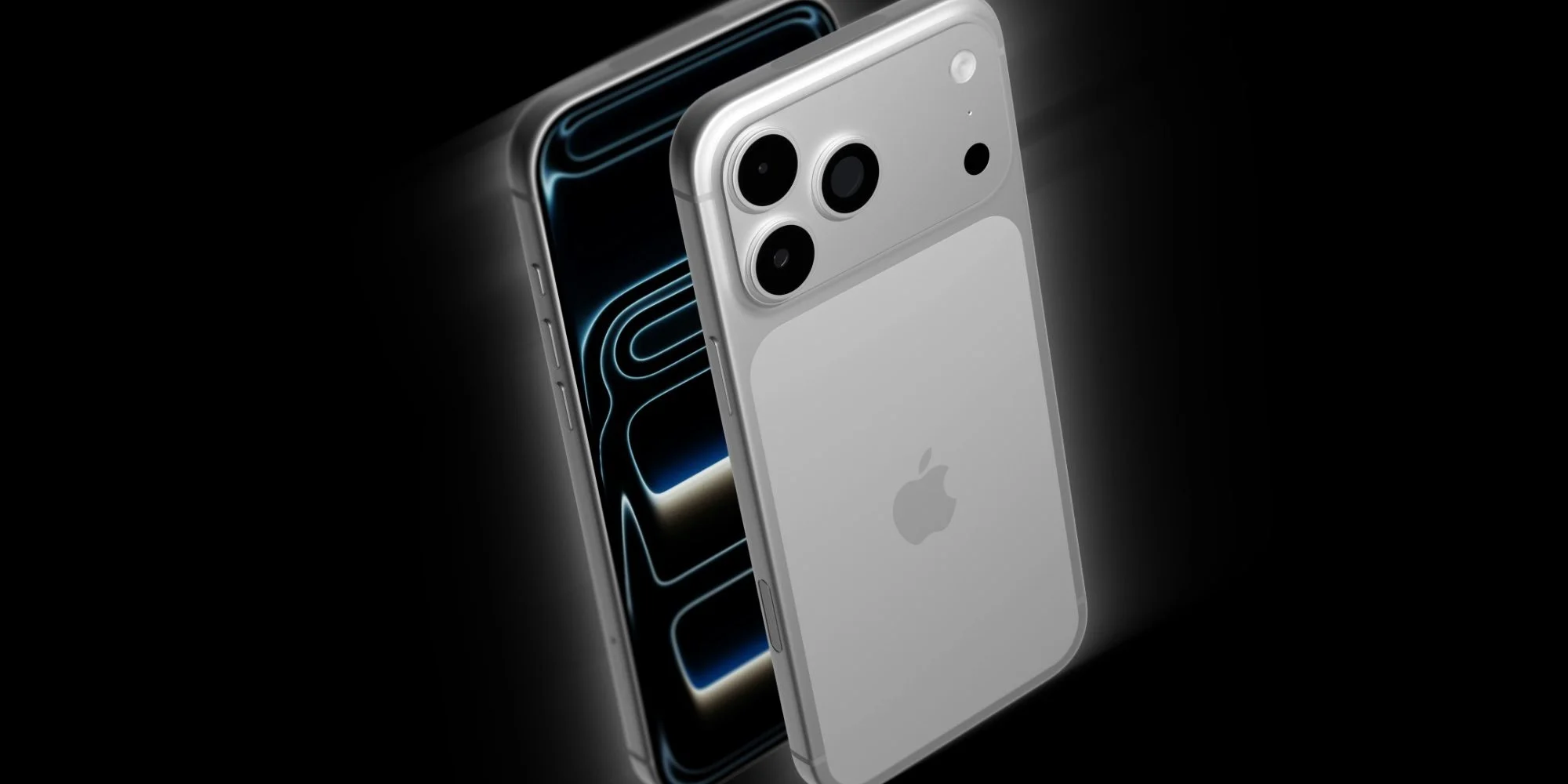
The forecasted pricing by WSJ incorporates expected costs for RAM, storage upgrades, and enhancements to the camera system, while maintaining typical profit margins characteristic of Apple products. Previous models, such as the $1,099 iPhone 17 Pro, boasted a gross profit margin around 47%. To sustain a similar margin for the iPhone 18 Pro under these new conditions, Apple would need to set a price around $1,371. However, given Apple’s preference for standardized pricing, a starting price of $1,299 may yield a 44% gross profit margin instead. This slight reduction in margin could raise questions about how Apple plans to balance premium offerings with attainable pricing.
New Camera Features Influence Pricing
According to analyst Ming-Chi Kuo, the new camera system on the iPhone 18 Pro will likely incur a cost increase of about 50%. If these estimates hold, Apple may opt to position the starting price closer to $1,399 to manage these expenses effectively. That's a classic maneuver from Apple, where the perceived value of enhanced features often justifies price increases. However, consumers must ask themselves what makes these enhancements worthwhile — do they translate into tangible value?
“While a starting point of $1,299 is plausible, it’s feasible that enhanced features justify a bump to $1,399 or higher,” Kuo indicated.
Notably, if the iPhone 18 Pro launches at either $1,299 or $1,399, the iPhone 18 Pro Max might see a corresponding increase, likely beginning at around $1,499. This approach aligns with the pricing strategy for previous Pro and Pro Max models, highlighting a familiar pattern in how Apple navigates consumer technology pricing. It's a strategy that suggests rather than value, Apple prioritizes its positioning within the premium market, and yet, how sustainable is that in a time when consumers are budget-conscious?
This dynamic suggests that the anticipated $2,000 price tag for the iPhone Ultra may appear more justifiable when viewed alongside these adjustments. Even if consumers debate the merits of these models, the allure of improved technology — particularly in camera capabilities — can be hard to resist, even at a higher price point.
Implications for Consumers and Apple
How high is too high for users planning to upgrade? This is where the rubber meets the road. Consumers must consider what they value most in their devices. While some will justify these increases for the latest technology, others may feel squeezed and reconsider what features they truly need. The trend we’re observing here is concerning; Apple’s current trajectory may alienate price-sensitive consumers, risking long-term loyalty. If you're in the market for a new device, you’ll likely find yourself weighing the appeal of the latest features against a budget that may not stretch to cover such increases.
This imperceptible but persistent increase in entry points could trickle down, motivating consumers to seek alternatives. Apple has always positioned itself as a premium brand. Yet with competitors constantly vying for market share, a lack of flexibility in pricing could backfire. Consumers might flock to options offering comparable features without the inflated price tags, challenging Apple’s market hegemony.
Share your thoughts in the comments below — what factors will influence your decision if these price hikes materialize?