iOS 27 Features Highlight Hardware Limits for iPhone 17 Users
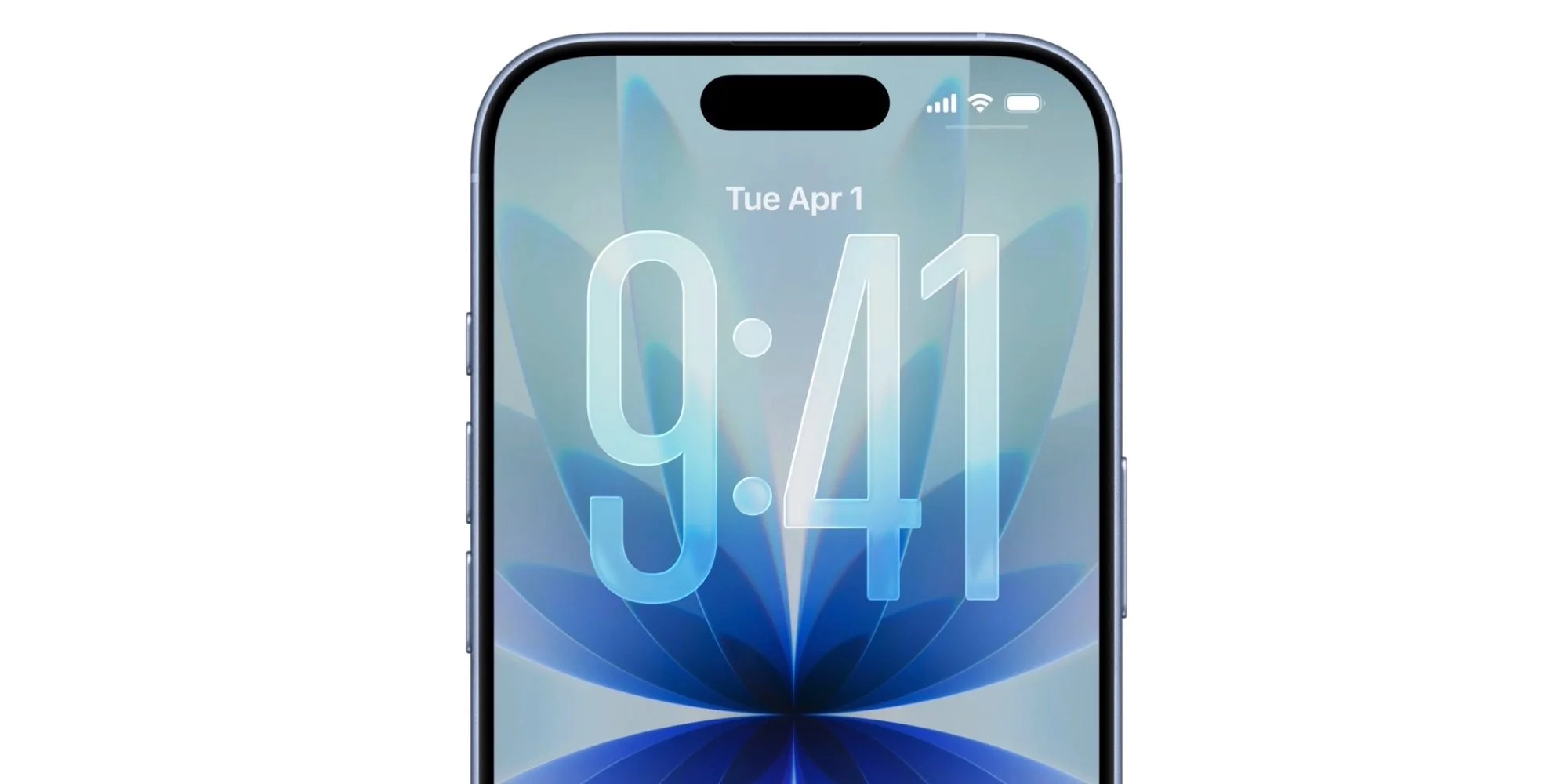
Apple's latest iOS 27 introduces a range of new features tied closely to its hardware capabilities, yet the iPhone 17 won't support some key functionalities. This exclusion isn't merely a missed opportunity; it reflects a broader strategy that seems to be tightening around hardware specifications. By limiting certain capabilities, Apple reinforces a pattern that prioritizes its higher-end models, potentially alienating a significant portion of its customer base.
iOS 27 Features Omit Base Models—A Familiar Pattern
When Apple revealed Apple Intelligence in June 2024, it specifically limited access to the iPhone 15 Pro models, leaving the basic iPhone 15 and 15 Plus out in the cold. This decision surprised many given Apple's history of extending new software functionalities to older devices. The company's decision-making here signals a shift in their approach, perhaps viewing the latest hardware as a necessary requirement for their most ambitious software features.
At the time, Apple attributed this cutoff to the demands of on-device AI, requiring a minimum of 8GB RAM. This restriction made it impossible for budget-conscious models to take advantage of the latest advancements. With iOS 27, we’re seeing a repeat of this trend: again, it’s the base model, iPhone 17, that misses out, echoing the pattern set just a year before. It makes you wonder: is Apple leaning too heavily into a performance-first narrative that might leave casual users behind?
Why iPhone 17 Lacks Access to Advanced AI Features
This year, users of iPhone 17 will find two major AI enhancements off-limits:
- The most advanced on-device AI model requires either an iPhone 17 Pro, Pro Max, or an iPhone Air.
- The new Siri voice customization feature has the same hardware prerequisites.
The more demanding RAM needs are at play again: while the iPhone 17 has just 8GB, its Pro and Air counterparts boast 12GB. This distinction isn't trivial. Advanced AI functionalities, which Apple is eager to promote, need the extra capacity to process information efficiently. As these requirements increase, users with older or base models may find themselves relegated to a second-tier experience, lacking features that are becoming industry standards.
Apple has also established a clear boundary for iPads and Macs, which also require a minimum of 12GB of RAM to access these new features:
- iPads with M4 processors or later and 12GB or more of RAM.
- Macs with M3 processors or later and 12GB or more of RAM.
The glaring exclusion of recent iPhones from advanced features is disappointing. iOS 27 represents a pivot for Apple Intelligence, further refining its offerings with strict hardware requirements. Users had hoped that the iPhone 17 would at least bridge the gap better than its predecessors, but that’s not the case here. If you’re working in this space, consider how these choices might create lasting stigmas for base models within an ecosystem designed to encourage loyalty.
As Apple continues to refine its technology, it raises questions about future support and inclusivity for devices that don't meet these increasing hardware demands. The hope is that this won’t become the norm, leaving users feeling frustrated over their earlier purchases. (And this is the part most people overlook) Apple’s strategy seems to be one of deliberate separation, establishing a divide between the experiences available to different tiers of users. This trend could have long-term implications on consumer satisfaction and loyalty as base model users start to feel like an afterthought.
The Significance of Excluding Base Models
The long-term ramifications of such exclusions could echo beyond individual preferences—think market segmentation. Apple's ongoing drive to push advanced capabilities onto their higher-tier devices might effectively position them as premium offerings, but it also risks isolating what has traditionally been a pillar of their brand: inclusivity. This isn’t just a simple case of differentiating products; it’s a statement about who gets to interact with the latest tech enhancements.
There's a social aspect to tech adoption that companies like Apple can’t afford to overlook. If average users consistently miss out on features due to hardware constraints, their perception of the brand can shift. Get too accustomed to being left out, and those users might look elsewhere for future purchases. This exclusion sets a precedent that could push consumers to lean towards competitors that prioritize a model of inclusivity, especially as tech advancements become more accessible across a broader range of devices.