Tailscale Aperture Enhances AI Management with New IT Controls
Today, Tailscale unveiled enhanced features for Aperture, its AI access platform aimed at providing IT departments with a streamlined approach to managing the utilization of AI tools and data across diverse models.
The Shadow AI Situation
AI applications are increasingly prevalent in the corporate environment, often being employed without IT oversight. This kind of shadow usage complicates security efforts. Employees frequently use personal accounts or unauthorized tools, which makes managing and tracking data effectively much harder. You could argue that this problem is more significant than it appears on the surface.
Tailscale cites research indicating that over 64% of activity on non-enterprise AI accounts is work-related. That's a staggering figure that suggests IT teams are flying blind. Without proper insight, they're unable to gauge how these tools are being used or what data they're accessing. Furthermore, evidence shows that businesses typically leverage around 70 generative AI tools, with a striking 90% of these lacking proper licensing or oversight. This gap not only presents a risk from a governance standpoint but can lead to significant compliance issues down the line if data privacy laws are violated.
Moreover, AI vendors tend to package their services into exclusive systems, making initial deployment easier. However, this often leads to vendor dependency that can restrict organizational flexibility. It's a double-edged sword: companies may find quick wins but pay the price in the long term as they struggle to pivot or switch tools without incurring hefty costs or performance setbacks.
Aperture's Solution
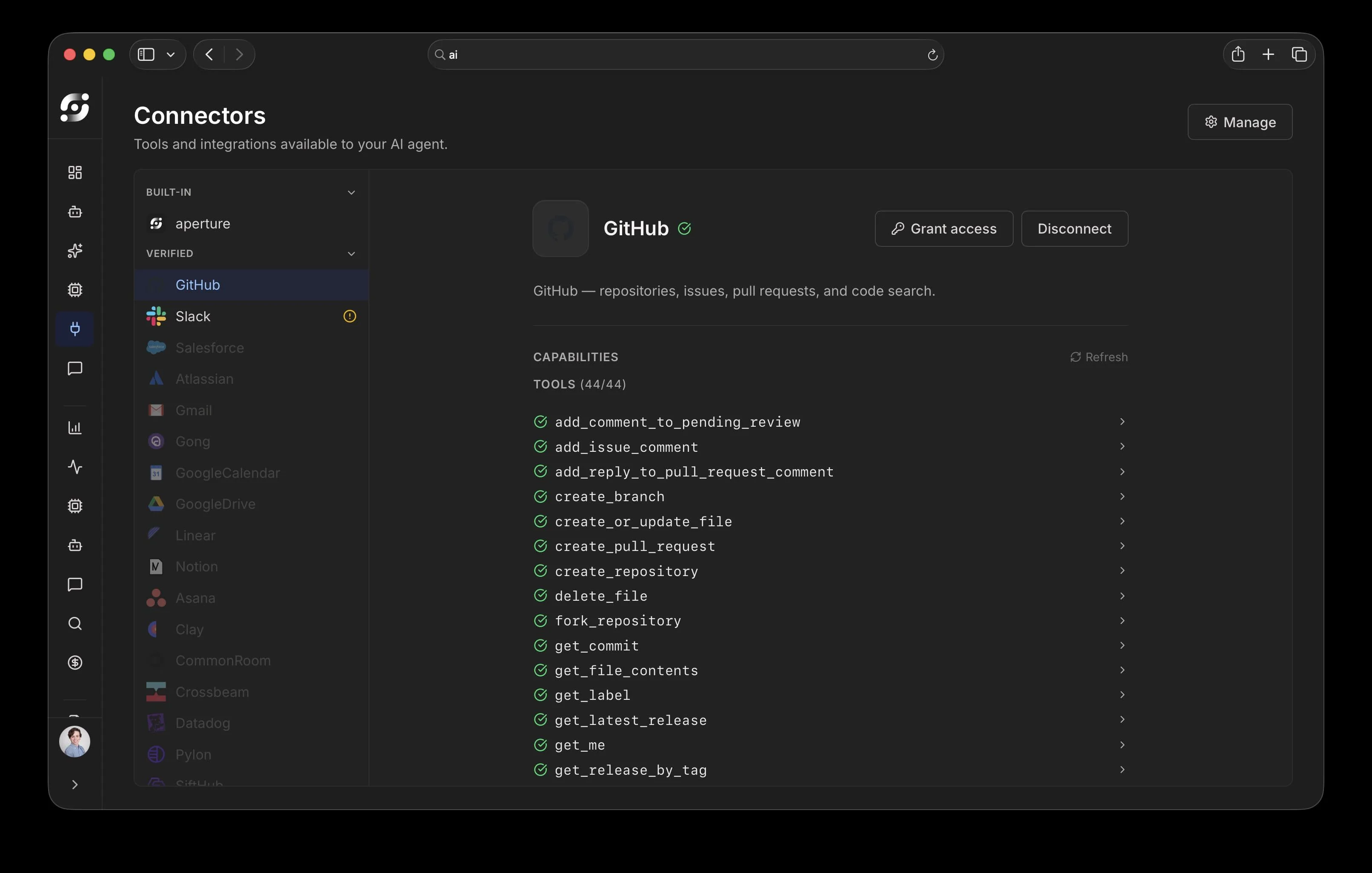
Aperture is designed to empower organizations to manage AI capabilities without the risk of vendor lock-in. It simplifies the usage of authorized AI tools while offering secure environments for agents to perform their functions. This flexibility is critical; as the AI tools evolve every few months, so too must the platforms supporting them. Aperture’s modular AI stack enables firms to adapt to these swift changes without compromising control.
- Chat Interface: This feature offers a user-friendly way to access approved AI models via a browser. Users can transition between various configured language model providers with ease, ensuring they have the right tool for the task at hand.
- Universal Data Connectors: These connectors allow AI tools to access internal data sources. This feature eliminates the need for each team to develop individual integrations, which can be resource-intensive and time-consuming.
- Preserved User Identity: Aperture ensures user identities and permissions remain intact throughout the entire lifecycle of an AI agent. This alignment with Tailscale's authentication process keeps security tight.
- Sandbox Support: Currently in private alpha, this feature offers AI agents isolated environments for exploration. It’s a straightforward concept, allowing experimentation without risking user devices or unmanaged systems. (And this is the part most people overlook). This isolation is vital for innovation while maintaining security protocols.
Aperture is compatible with API keys from widely used LLM providers, including OpenAI, Anthropic, Google Gemini, and Amazon Bedrock. The interface and data connectors have made their debut in public alpha for organizations already adopting Aperture.
Analysis and Implications
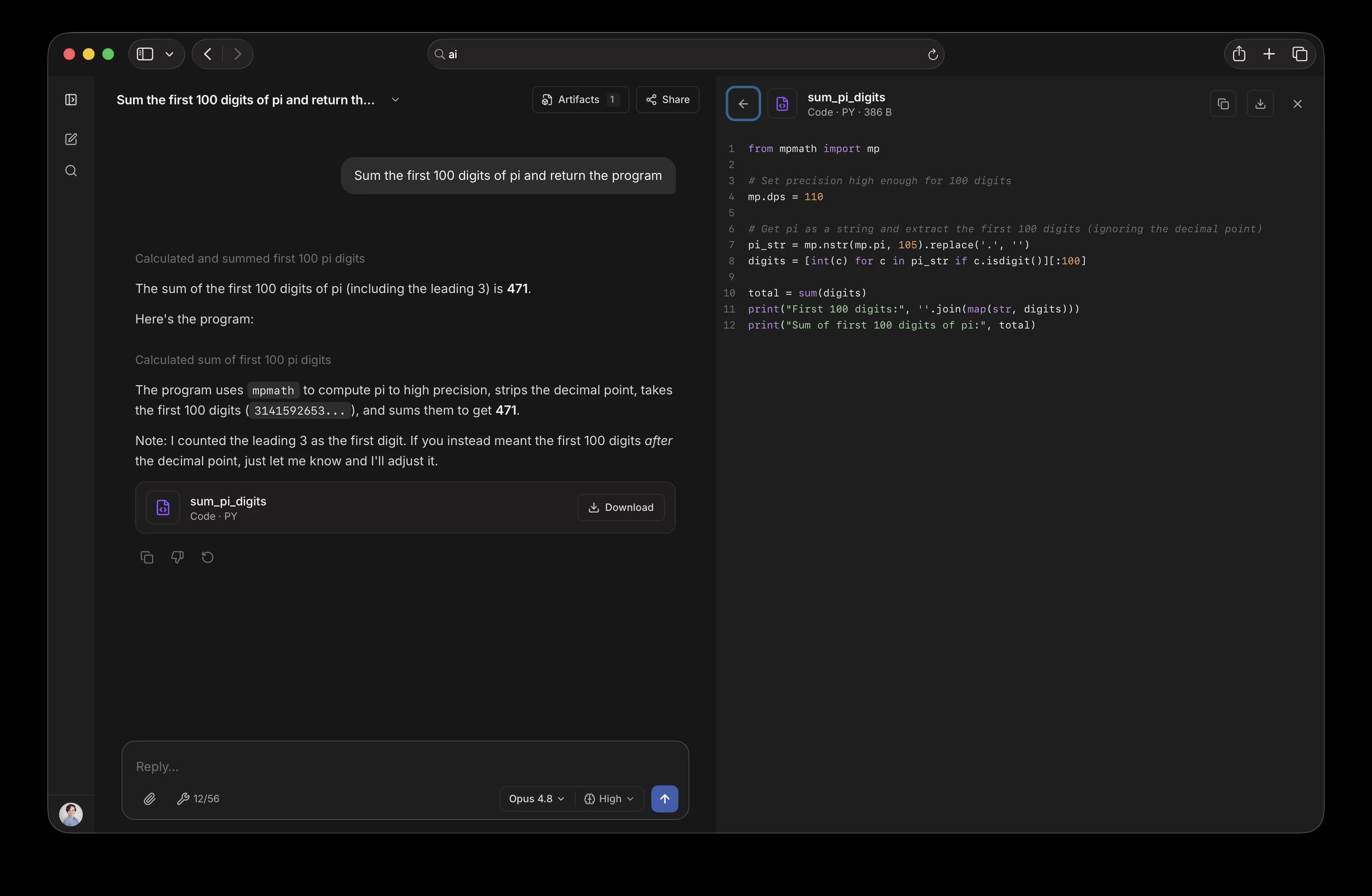
The dynamic nature of AI means that organizations can't afford to settle with their current setups. Companies are caught in a cycle of frequent shifts in models, interfaces, and connections. Restructuring an AI environment often turns out to be impractical due to the resources required. That's why companies must maintain adaptability while ensuring control and oversight.
Aperture offers IT departments a consistent framework for managing identity, access, and controls. This is a big deal. It allows them to adapt to new tools without losing track of user activities within the corporate ecosystem, which is essential for maintaining operational security and integrity. Transitioning AI agents into secure sandboxes not only curbs risks but also aligns with the need for meticulous oversight in increasingly intricate operational contexts.
Future Outlook
As AI autonomy increases, the challenges surrounding governance will only grow. Organizations still reliant on shadow usage might find themselves needing a more strategic plan to manage compliance. Aperture positions itself as a potential cornerstone for companies seeking to bring AI usage back into the light. Will all organizations adopt tools like this? Probably not immediately, but those that don’t might end up facing huge risks down the road.
What this means for you, whether you're a member of an IT department or a business leader, is that the landscape of AI management requires both vigilance and flexibility. Being proactive in choosing tools that foster control will be imperative. Expect that similar platforms will emerge, targeting this urgent need for visibility, so the competition might not just be about features, but also about the ability to integrate new technology responsibly.