Unpacking Samoa's Tourism Data: Insights from Visitor Trends and Seasonal Adjustments
|5 min read
Understanding Samoa's Tourism Data: A Preliminary Analysis
Navigating the complexities of tourism statistics can be daunting, especially when working with datasets from remote locales like Samoa. My recent foray into exploring Samoa's monthly tourism figures highlights some significant implications for economic assessment in the Pacific amid current geopolitical tensions, particularly in light of the Iran crisis.
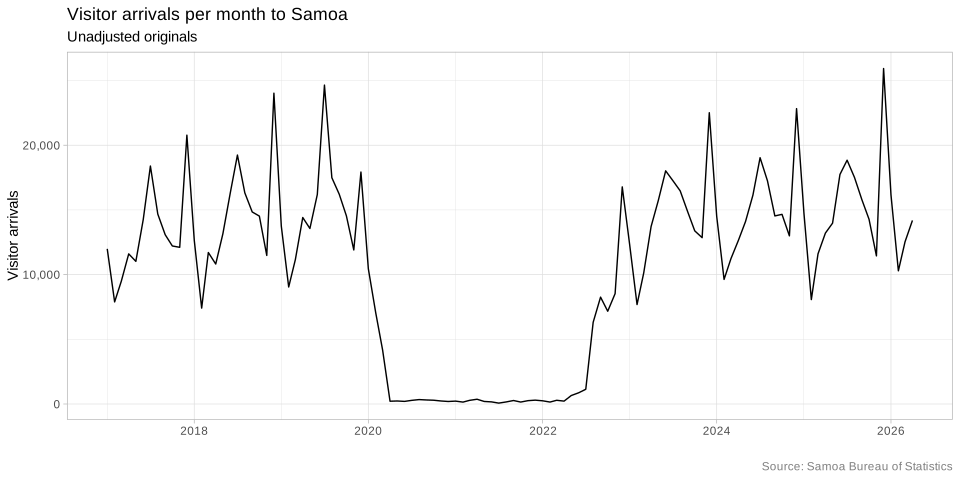
Here's the crux of my analysis: I'm diving into two primary tasks—tracking visitor arrival numbers for Samoa and applying seasonal adjustments to this data. While gathering the raw figures proved to be a time-consuming endeavor, the insights gleaned from the seasonally adjusted numbers are, in my view, much more compelling. The significance of these numbers extends beyond mere curiosity; they provide a timely glimpse into the potential economic repercussions of recent global events.
Challenges in Data Collection
After consolidating visitor data into a manageable format, I encountered some hurdles. The Samoa Bureau of Statistics graciously offers an Excel workbook with data available until May 2023. However, beyond that point, only PDF reports exist, complicating the systematic extraction of information. While these PDFs are accessible via a dedicated page from the Bureau, my attempts to automate their download were met with frustration, leading me to resort to manual collection—a tedious task, to say the least.
Once I had obtained the requisite figures, Claude, my trusty coding companion, assisted in crafting a parser designed to extract visitor numbers from each PDF. The challenge was to precisely identify the visitor arrivals, not to be confused with broader categories of arrivals. Luckily, the phrase "Overall visitor numbers for the month under review stood at [number]" served as a reliable indicator, allowing me to home in on the right metrics.
The extraction process also required diligence in confirming the dates associated with the data from each PDF. Ironically, I found that manual entry for the 35 required numbers might have been quicker than the drawn-out coding exercise I undertook. Nevertheless, I documented the data wrangling process for future reference.
Moving Towards Analysis and Seasonality
Armed with the cleaned data, I am now shifting my focus to the analytical aspect using X-13ARIMA-SEATS, a robust tool for seasonal adjustment developed by the US Census Bureau. This approach is especially pertinent given the unprecedented impact of the COVID-19 pandemic on global tourism trends. Additionally, as I examine the data collected since the onset of the Iran conflict, I’m hoping to identify any significant shifts in visitor patterns resulting from these events.
The utility of X-13ARIMA-SEATS lies not only in its capacity to model seasonal variations effectively but also in its ability to handle anomalies and interpret outlying data points. My initial exploration with the tool has generated an interesting picture of visitor trends, although the short window of data following the outbreak of hostilities will necessitate careful interpretation.
Ultimately, the results from this analysis could provide valuable insights for stakeholders involved in Samoan tourism and economic planning. If you're working in this sector, the implications of fluctuating visitor numbers are clear—understanding seasonal adjustments will be key in forecasting and adapting to global events.
The Current State of Samoa's Tourism Data
So, what have we gleaned from the latest adjustments to the visitor data in Samoa? Frankly, the insights are somewhat underwhelming. The analysis highlights the clear devastation caused by COVID-19 and the sluggish recovery that has followed. We can certainly observe a trend of increasing visitors since the pandemic's heights, but it’s marred by significant noise and variability, creating an unpredictable landscape for those in the tourism sector.
What's particularly intriguing—and perhaps concerning—is the absence of any noticeable effects from the ongoing global fuel crisis on this data. This leaves a gap in our understanding; without new trends emerging, it’s hard to predict how external pressures might reshape the tourism industry in the near future. If we do start to see a reaction to rising fuel costs or supply chain disruptions, we’ll at least be equipped to analyze their real impact, thanks to the seasonal adjustments we’ve made.
Looking Ahead
As for future explorations, there’s potential for a broader analysis that includes monthly tourism figures from other Pacific Island nations such as Fiji, Vanuatu, and French Polynesia. This could provide a more comprehensive picture of tourism trends in the region, allowing for meaningful comparisons and insights. But for now, we’re left with a snapshot that underscores the ongoing challenges and the tentative signs of growth. Those of you in the tourism industry, or engaged in related fields, should keep a close watch; understanding these shifts will be key to navigating what's ahead.
For those wanting to dive deeper or engage with the analysis, feel free to comment on this blog [here](https://freerangestats.info/blog/2026/06/14/samoa-seasonal-adjustment). The conversation around tourism data is just beginning, and your voice could contribute to a richer understanding of these trends.