Connectivity Issues Emerge with Android 17 Rollout for Pixel Users
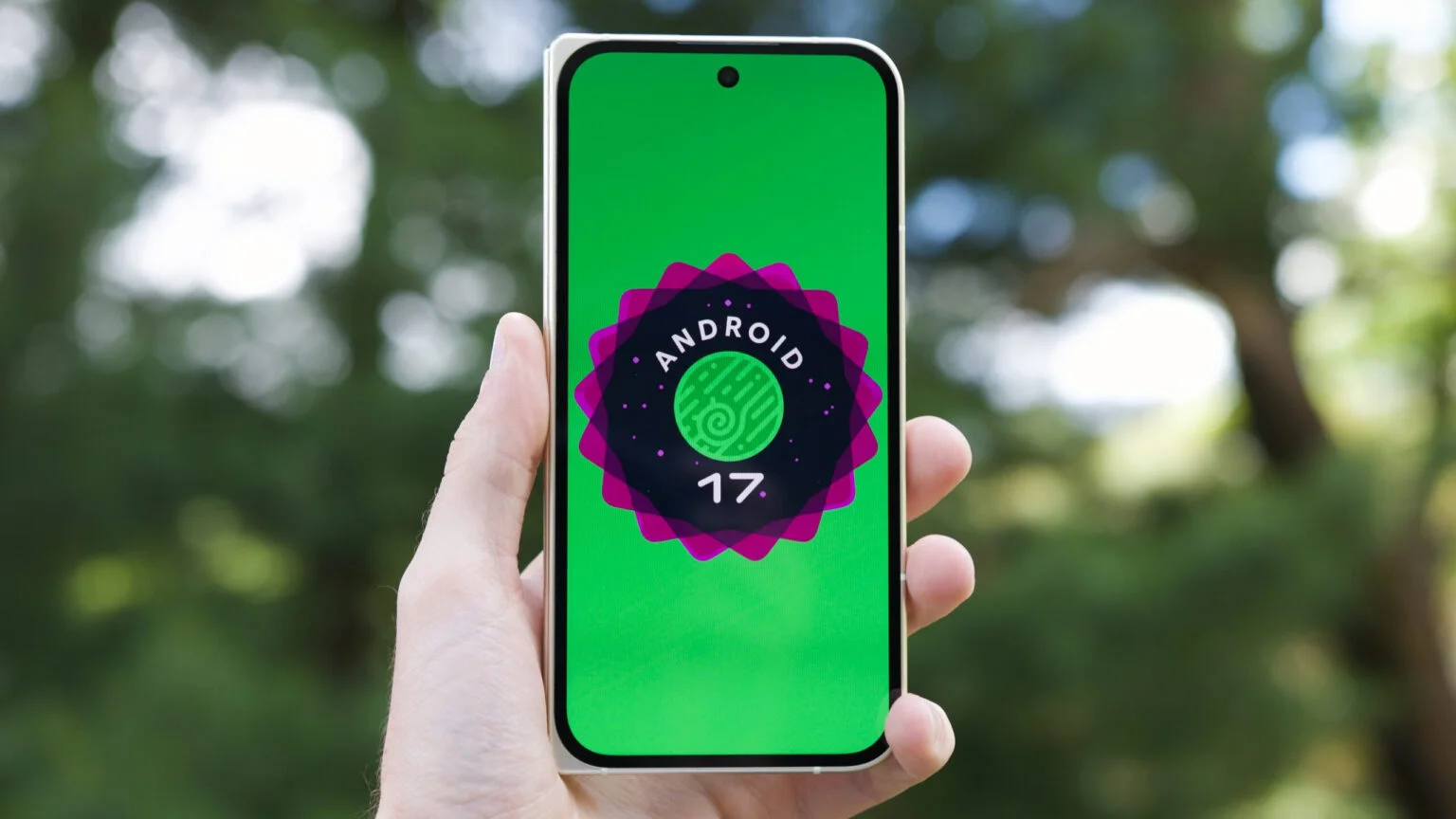
Credit: Joe Maring / Android Authority
Introduction to Android 17’s Release
With the anticipation surrounding new software updates, the launch of Android 17 for Google's Pixel devices brought a wave of excitement. New features were expected, as well as the usual improvements in performance and security. However, the update has quickly become a double-edged sword, as many users now find themselves grappling with significant connectivity issues that compromise the very functions they rely on daily.
Understanding the Connectivity Issues
Reports are hitting forums and social media platforms from Pixel device owners who have lost 5G access following the Android 17 update. This situation isn't just a minor inconvenience; it strikes at the core of what users expect from their mobile devices. After all, 5G technology has become synonymous with speed and connectivity, often seen as a critical factor when choosing a smartphone.
This problem isn’t isolated. Users with a range of models—including the Pixel 9 Pro, Pixel 9 Pro XL, Pixel 8 Pro, Pixel 8a, and even older generations like the Pixel 6a—are encountering the same disconnect. If you're working in this space, you know this is a significant oversight in quality testing before rolling out updates.
The Broader Community Response
The conversation on platforms like Reddit is growing, with a dedicated thread on the r/GooglePixel subreddit exposing the depth of the issue. Users are collectively sharing experiences and troubleshooting tips, which often leads to a greater understanding of how widespread the glitch really is. But here’s the thing: while community support can be beneficial, it also highlights a troubling gap in Google's quality assurance processes.
The connectivity issues reveal a lack of rigorous vetting before software updates. With millions of users relying on their devices for everything from work communications to personal safety, even a temporary loss of access to high-speed internet can pose serious concerns. The fact that such a problem affects multiple device models adds layers of urgency to the situation.
Beyond 5G: Additional Complications
It's not just the loss of 5G access that's causing headaches. Users are also reporting issues with eSIM functionality disappearing altogether. In an age where many individuals have shifted toward eSIMs for their flexibility and convenience, this is particularly alarming. The disappearance of an eSIM can render a device nearly useless in scenarios where connectivity is essential.
Moreover, complications with Wi-Fi connections failing to reconnect automatically further compound the frustration. Many users don’t maintain meticulous records of connectivity disruptions, so when critical connections falter, it can disrupt work, social interactions, and general usability. It reflects a broader issue within software updates that often focus on flashy new features rather than ensuring foundational technologies work as intended.
Technical Background on eSIM and Connectivity
To fully grasp the weight of these connectivity issues, a brief rundown of eSIM technology is beneficial. eSIMs offer a digital alternative to traditional physical SIM cards, allowing phone users to switch carriers without needing to physically swap out cards. However, if a software update causes the eSIM to malfunction, users can find themselves in a bind without any clear solution. Even in best-case scenarios, switching carriers should be a straightforward process—it's not supposed to introduce new challenges.
This underscores a significant aspect of software development—the interplay between hardware capabilities and software optimizations. The risks that come with updates can often overshadow the anticipated enhancements. This isn't a new problem by any means; similar scenarios have unfolded in the past with other operating systems and devices. Users may recall instances where updates from major players have inadvertently resulted in lockouts from features as basic as Wi-Fi connectivity.
Implications for Google and Its Users
The ramifications of these connectivity problems extend beyond immediate user frustration. For Google, a company that's continually trying to solidify its place in the highly competitive smartphone market, this situation could affect customer loyalty. Users are likely to think twice about investing in future devices if they can't trust that software support will meet their needs.
This episode could prompt a more significant evaluation within Google regarding its software rollouts. Large-scale updates are a tricky balancing act, and maintaining operational features should take priority over new additions. Interested users may want to approach future updates with a degree of caution in light of this incident.
Moreover, you'll see industry analysts watching closely to gauge how Google chooses to address these issues. Communication and transparency can go a long way in rebuilding trust among users. If they actively listen to feedback and provide timely fixes, there's hope for damage control. But that’s a two-way street; users need to feel heard to continue supporting the brand.
Future Outlook
As the dust settles from the Android 17 rollout, the focus will likely shift to how Google reacts and adjusts in the coming weeks and months. The incident serves as a sharp reminder of the fragility of technological ecosystems and the ripple effects that arise from software updates.
The road ahead could involve a series of patches aimed at restoring functionality for 5G access and eSIM services. Users will be watching closely for updates as they attempt to navigate this unexpected backlash. Will Google speedily address these pain points, or will they let the conversation linger, potentially sidelining themselves in a fiercely competitive market? Only time will tell.