Amazon Implements Price Increases on Echo, Kindle, and Fire TV Devices
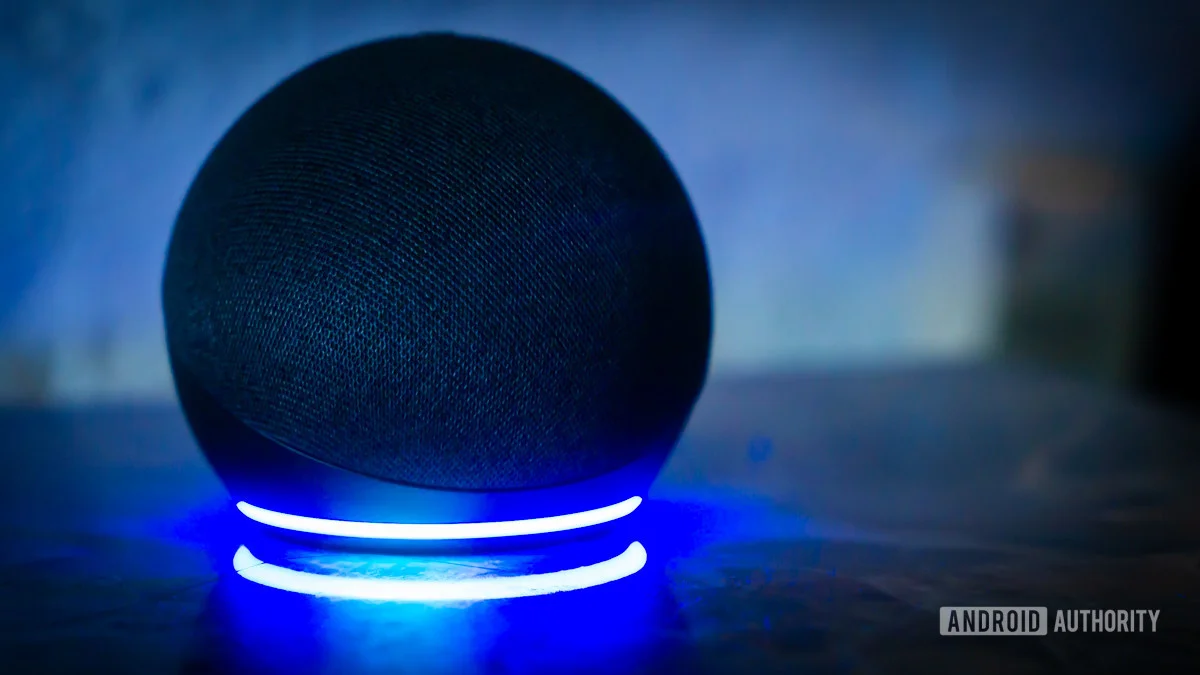
- Amazon raises prices across its hardware lineup.
- Echo devices see price hikes of $30, while some Kindle models increase by $40.
- Fire TV sticks and eero products are also affected, but Ring items remain unchanged.
Context Around Amazon's Price Increases
Recent developments indicate that Amazon is increasing prices for several devices amid broader industry challenges. This isn't just a knee-jerk reaction; various tech companies are grappling with significant production and supply chain issues. Rising component costs have become a common refrain across multiple segments of the tech sector. For Amazon, a major player in both hardware and software, price adjustments can impact its perceived value proposition.
Over the years, Amazon has carved a niche in the smart device ecosystem. Its Echo smart speakers have been a cornerstone of this strategy, embedding the Alexa voice assistant in countless households. This hardware has not only fostered Amazon's presence in homes but has also served as a gateway for users into the broader Amazon ecosystem, including music, shopping, and smart home control.
Breaking Down the Price Increases
According to Fortune, this move is part of a wider trend as companies adapt to fluctuating production expenses. With the Echo speakers seeing a price increase of $30, and certain Kindle models rising by $40, Amazon is making a statement about the pressures it faces in maintaining profitability. Fire TV sticks and eero products are also in the mix, subjected to similar hikes, while Ring products remain unaffected. What does this indicate? It shows that certain product lines might be facing higher operational costs than others, or that Amazon is still keen to maintain its competitive edge in the smart home market.
Impacts on Consumers and Industry
For consumers, these price hikes could be a tipping point. Smart speakers and e-readers are heavily saturated markets. If you're working in this space or considering a smart purchase, weighing your options becomes vital. Increased prices could deter budget-conscious consumers from spending. Not to mention, if competitors like Google or Apple smell blood in the water, they might ramp up their pricing strategy or marketing to capture the audience that Amazon is pushing away with its elevated price tags. Remember, buying decisions are often influenced not just by functionality but by perceived value. A jump in price can prompt consumers to reassess what they truly need versus what they want.
(and this is the part most people overlook) In the throes of a potential economic downturn, consumers tend to reassess their discretionary spending habits. If this price increase signals a long-term trend rather than a one-off adjustment, it could catalyze a broader shift in purchasing behavior within the smart tech sector. Amazon's moves here can ripple beyond their product line and influence market dynamics overall.
Broader Industry Trends
This situation isn't isolated to Amazon. Various tech giants have grappled with similar challenges recently. For example, during the chip shortage, many manufacturers strained under rising costs, forcing them to elevate prices across their ranges. smartphone makers, including Apple and Samsung, have also raised prices as they encounter higher production fees. This phenomenon reflects a significant shift in how companies are pricing their products amid rising inflation and supply chain instabilities.
Another layer to consider is how Amazon has historically offered competitive pricing as a selling point. Price increases could undermine their long-cherished strategy of undercutting competitors. Once synonymous with low prices, Amazon may now struggle to differentiate itself with cost-effectiveness, opening doors for rival brands to seize market share.
Implications for the Future
This decision, while seemingly significant on the surface, highlights deeper issues that straddle the tech and consumer products industries. If Amazon is raising prices, what does that signal about the health of the economy? Are consumer goods becoming less accessible, ultimately impacting companies' bottom lines? As tech becomes more integral to daily life, inflated costs may force consumers to either cut back on certain gadgets or seek alternatives.
What's more, the stability of the supply chain remains a pressing concern for manufacturers globally. Ongoing geopolitical tensions and disruptions from unforeseen circumstances have exacerbated the situation. As Amazon adjusts prices, it raises questions about the sustainability of their production methods in the long run. Will they seek alternative suppliers or renegotiate with current ones? The answers could significantly influence pricing, product availability, and ultimately, consumer trust.
Final Thoughts
Price increases are rarely straightforward. Amazon’s adjustments to its Echo, Kindle, and Fire TV devices certainly make an impact in terms of consumer behavior, but they also reflect broader industrial trends. The implications of this pricing strategy go far beyond Amazon, affecting market competition, supply chain decisions, and consumer purchasing patterns. What this means for you as a consumer is that staying informed about ongoing price trends can inform smart buying decisions in a shifting economic landscape.