TL;DR
- Construction Simulator 3 is free on Android via the Epic Games Store until June 25, 2026, offering a notable saving for mobile players.
- Once claimed, the game stays linked to your Epic account forever, ensuring ongoing access.
- This offer emphasizes Epic's commitment to enhancing its mobile gaming platform.
Epic Games Store's Strategy in Mobile Gaming
Players can now download
Construction Simulator 3 at no cost through the Epic Games Store, marking a striking move to attract mobile gamers. This free access, available until June 2026, allows fans of simulation games to bypass the standard price of $4.99 typically associated with the title. This model isn’t just a pricing gimmick; it reflects a significant strategy by Epic to capitalize on mobile gaming, a sector whose growth shows no signs of slowing.
With mobile gaming on pace to generate over $100 billion in revenue annually, companies are increasingly turning to competitive offers to gain traction. Epic's decision to make Construction Simulator 3 free indicates a keen understanding of the market dynamics at play. They not only aim to attract new players but also to create a robust user base that could eventually lead to a multitude of opportunities, including in-game purchases and subscription services.
Game Overview and Appeal
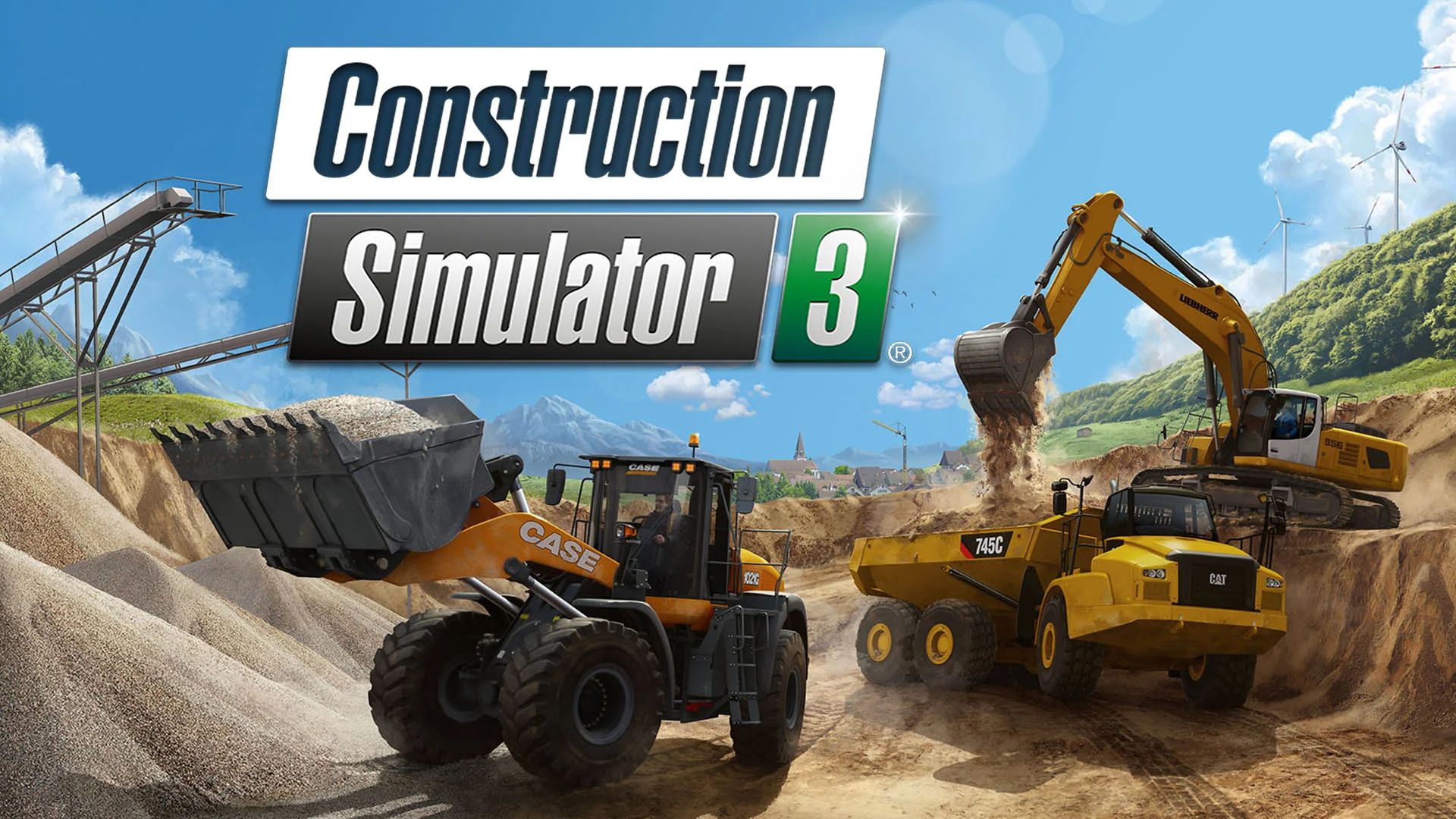
In Construction Simulator 3, players construct and manage their own building firm within a beautifully rendered European setting. This game offers a comprehensive experience, diving deep into project planning and execution. With more than 50 licensed vehicles from well-known brands like Caterpillar, Liebherr, and CASE, this game appeals to both simulation enthusiasts and construction fans alike. The attention to detail in the vehicles and environments enhances the immersive experience, blending fun with an educational angle on construction.
Simulation games have a unique charm. They allow users to engage in activities they might never get to do in real life, such as managing a construction project or operating heavy machinery. The realism in graphics and gameplay mechanics plays a pivotal role in drawing in players. The inclusion of real-world vehicles adds another layer of authenticity, creating a compelling draw for those interested in the construction industry itself.
You can also see why simulation games like this thrive in the current gaming climate. They're not just about entertainment; they serve as a form of escapism, often coupled with the satisfaction of achieving virtual goals.
The Significance of Free Offers in Gaming
Offering a game for free—especially a simulation title that usually has a price tag—presents various advantages for developers. Firstly, there’s the immediate influx of new players. This strategy is particularly effective in a crowded market where gaining visibility is challenging. Some players who might not have committed to a purchase could end up becoming loyal fans after trying the game without any financial risk.
Once players download the game and link it to their Epic account, they have ongoing access to it. This creates an environment where these players might be more inclined to explore other titles available on the Epic Games Store. The potential for upselling or introducing them to paid content within the game increases significantly. Engaging them with a free title could foster a deeper relationship with the platform.
That said, it’s also essential to examine both the short-term and long-term implications of offering games for free. While an immediate spike in users can be exciting, sustaining engagement over time often challenges free titles. Many players download free games but don’t actively play them or continue to engage, a phenomenon known as “download and forget.” Retaining users in the months and years following their initial download is where the real challenge lies.
Industry Context and Comparable Moves
The mobile gaming industry has seen numerous companies ingeniously adapt to changing market conditions. Competitive offers, free trials, and "freemium" models have become the norm. For instance, Fortnite—a hit title by Epic Games—uses a free-to-play model complemented by in-game purchases, showing a path to profitability without upfront costs to players.
Other companies have similarly taken wild leaps to boost player engagement. Platforms like Steam have also experimented with offering free games for a limited time. While this is not new, the sustained nature of Epic’s offer until 2026 is significant, signaling a long-term strategy rather than a quick promotional gimmick.
Epic’s tactics could be seen as a response to the growing competition from platforms like Google Play and Apple’s App Store. Both have their share of simulation titles, yet Epic's platform offers a distinct experience aimed at cross-platform interaction. By cultivating an expansive library of free titles, Epic positions itself as a legitimate alternative to traditional mobile gaming outlets.
Implications and Future Outlook
This is more significant than it looks. If you've been following trends in mobile gaming, you know that free-to-play models are becoming increasingly prominent. Epic's effort to get players into Construction Simulator 3 without any financial barrier could lead to other developers following suit, especially as they witness the player engagement it generates.
Moreover, the long-term strategy could potentially lead to a more integrated gaming community on the platform. The ability to link games to an Epic account, alongside the promise of ongoing access, hints at a commitment to building long-term player relationships. This could change how companies see the value of not just acquiring users, but retaining them in an environment where attention spans are fleeting.
The success of this strategy might influence how other mobile developers approach pricing and accessibility in the future. Companies will need to be more creative—not just in gameplay but in how they draw players into their ecosystems. If this trend continues, you might see a shake-up in the way mobile games are marketed and monetized across the industry. The stakes are high, and this moment could be a seminal case in future gaming discussions.
(And this is the part most people overlook.) The real potential lies in the community built around these games. If players feel engaged, they’re more likely to spend money on additional content or microtransactions in the future—something any developer watches closely. So, keep an eye on this story. It’s only just beginning, and we don’t yet know where it might lead.