New Features in visionOS 27: Enhancements for M5 Vision Pro and Limitations for M2 Users
With the arrival of visionOS 27, Apple Vision Pro users can expect a host of upgrades, most notably the enhanced Siri AI functionality. Yet, M2 Vision Pro owners face notable exclusions that could affect their experience.
Siri AI voice customization and performance impacts for M2 owners
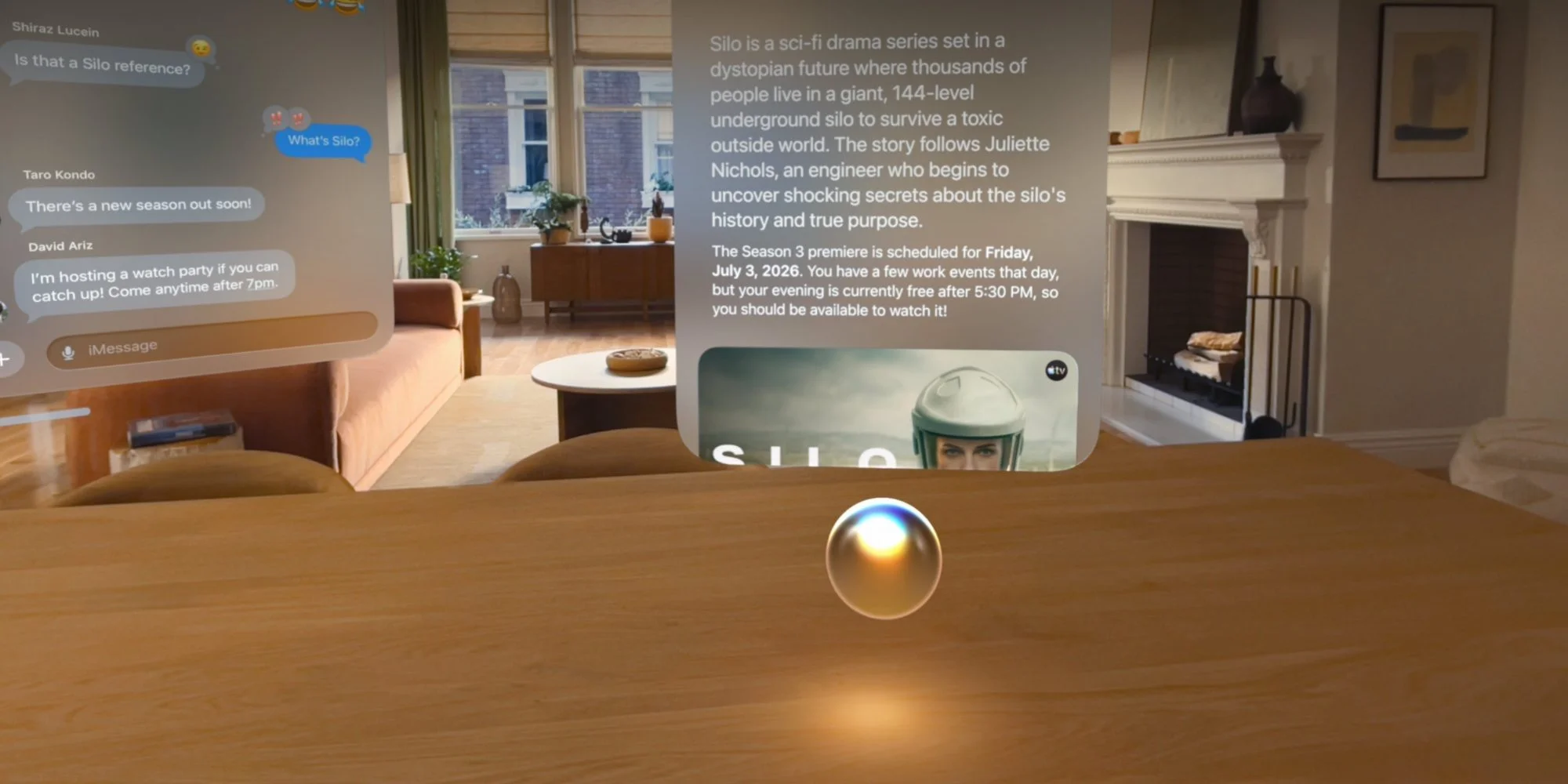
Launching this fall, visionOS 27 will be compatible with all Apple Vision Pro devices, but M2 users will miss out on the upgrade featuring voice customization for Siri. While most of the enhancements will benefit both user groups, including the new panorama feature, redesigned Control Center, and the advanced Siri AI, the voice customization is limited to the M5 Vision Pro due to hardware constraints.
This limitation isn’t just a minor setback; it's a tangible loss for M2 users who invested in what they thought was a forward-leaning device only two years ago. With Siri AI, users can expect a more responsive and contextually aware digital assistant. However, voice customization capability, allowing users to tailor Siri’s speech style and tone, is reliant on Apple’s latest on-device AI model, AFM 3 Core Advanced—something the M2 Vision Pro can't support. The absence of this feature could lead to a less personalized experience, making interactions feel generic and less engaging.
The implications extend beyond mere aesthetics. This limitation means M2 owners will not only lack rich voice customization, but they might also encounter reductions in performance speed. As they lean more heavily on cloud-based processes rather than local computation, tasks that could’ve been handled quickly on-device could become sluggish. For an ecosystem that prides itself on smooth user experience, such compromises can be a bitter pill for devoted customers.
It’s a frustrating scenario for a device launched just two years ago. Users generally expect continuous updates and improvements for devices they’ve purchased, especially when companies market them as next-gen. Apple has positioned itself as a leader in customer satisfaction, yet scenarios like this can breed discontent. Interestingly, this isn't just specific to Vision Pro; even newer iPhone models are similarly affected, raising questions about Apple's commitment to providing equitable upgrades across their product lines.
Accessory Recommendations for Vision Pro
- AirPods Pro 3 (now only $169, down from $249)
- Vision Pro aluminum dock stand
- Spigen travel case for Vision Pro
- Battery holder with belt clip and more
Broader Implications for Apple and Users
The situation with the M2 Vision Pro is emblematic of a larger concern regarding how technology evolves within ecosystems. Apple has often marketed its products as seamless and fully integrated. However, when discrepancies arise—such as features that aren't available across device generations—it raises questions about whether the premium price tag truly equates to long-term value. If you're working in this space, you’ll want to emphasize to customers what they stand to gain or lose with each new product cycle.
Moreover, this exclusion impacts brand loyalty. Apple users have built a close relationship with their devices, often resulting in a willingness to upgrade based on software capabilities alone. When significant features become exclusive, the allure of upgrading diminishes. Instead, you’ll have users weighing whether to invest in a newer model or to explore alternatives. Companies that engage with customers about these upgrades might find themselves fostering stronger loyalty among users who feel informed and respected.
The tech industry's rapid pace often forces consumers to grapple with complex decisions regarding upgrades. There’s tremendous pressure on brands like Apple to deliver consistent and equitable experiences across their product lines. Ignoring this could jeopardize user trust, especially when they see other brands possibly providing more inclusive upgrade paths.
And this is the part most people overlook: not all technological advancements are universally beneficial across all user segments. The distinction between M2 and M5 is a technical one, yes, but it carries broader implications for brand identity and customer satisfaction. As competition intensifies, simply having a premium product is no longer sufficient; ensuring that all users feel valued could be the key to long-term success. So, what does all this mean for Apple and its myriad of devoted users going forward? It's time for a significant reassessment of what value actually means in the tech marketplace today.


FTC: We use income earning auto affiliate links. More.