iPhone Duo Tops 100,000 Optimized Apps as Developer Updates Accelerate
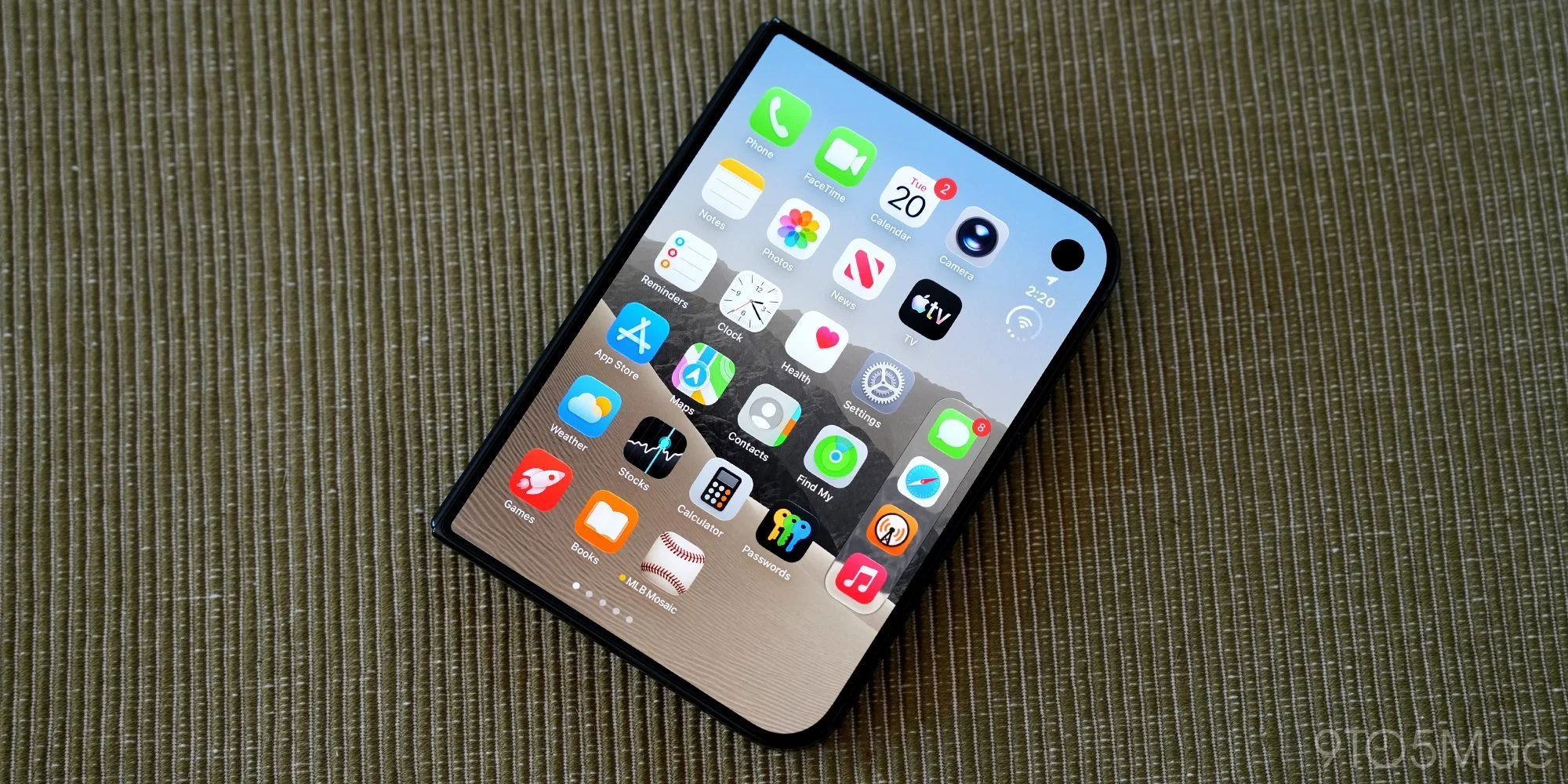
More than 100,000 apps are already designed for iPhone Duo, and Apple says thousands more are being added to the App Store each day. Those figures describe a sizeable early catalog, but they don’t tell users how well each app handles the phone’s defining feature: its two displays. On a foldable, support for the outer screen and the larger inner screen can affect whether an app feels convenient in a quick interaction, useful for a longer task, or awkward in both settings.
That distinction matters because an app can technically run on a new device without making good use of it. Layout, controls and the way content adjusts between screens all shape the experience. A large catalog is a promising start; the quality of the adaptation is what users will notice after the novelty wears off.
Developer support is spreading
Susan Prescott, Apple’s vice president of Worldwide Developer Relations, shared the figures in a statement to 9to5Mac. She said thousands of developers had joined Apple workshops during the past month to try the device and update their apps. That points to a practical part of launching a new form factor: developers need access to the hardware and time to check how their existing products behave on it.
Apple reports that more than 2,000 developers have attended over 50 in-person workshops across 19 cities worldwide. The workshops give developers a chance to work directly with the device, while Apple’s App Store collections and product-page badge help users identify software the company says is suited to iPhone Duo.
Those signals serve different purposes. Workshops are aimed at the people building apps; curated collections and the “Made for iPhone Duo” badge are aimed at people choosing what to download. Neither tells the whole story. A badge can point users toward an app that’s been optimized, but the day-to-day value still depends on what the app actually does across both displays.
Apple is also highlighting compatible software through App Store collections such as “Popular Apps on iPhone Duo” and “Great Games on iPhone Duo.” The collections can make discovery easier when the catalog is growing quickly. Here’s the thing: visibility and quality aren’t the same measure. A featured app may be worth trying, but users will still judge it by whether its layout and controls make sense when they open or fold the phone.
Updates continue after launch
Recent additions include Microsoft Word, Microsoft Outlook, Zoom, Etsy and Halide Mark III. The mix spans work, communication, shopping and photography, so the updates reach beyond one narrow use case. Their presence adds useful variety to the early lineup, though the list alone doesn’t establish how extensively each app has changed.
Apple released iPhone Duo two weeks ago. Some developers shipped updates at launch, then refined how their apps work across the inner and outer screens. That second round is a useful sign: adapting software to a new device can take more than a single release, as developers get feedback and encounter details that are harder to assess before people use the product.
This is more significant than it looks. Early support can make a device feel ready at launch, but continued tuning determines whether that first impression holds up. And yet, a steady stream of updates shouldn’t be mistaken for proof that every popular app has solved the design challenge. The meaningful question is whether changes improve the tasks people already rely on those apps to perform.
What the app count can—and can’t—show
For users, the count is a useful starting point. It suggests that iPhone Duo isn’t launching with only a handful of compatible options, and Apple’s daily additions point to continued developer activity. But the number doesn’t reveal how many apps make thoughtful use of both screens, how consistently they behave when users switch between them, or whether the larger display changes the way a task feels.
That gap between availability and quality is familiar with new device formats. Similar systems typically need developers to test layouts, adjust controls and make decisions about what should happen when the display changes. A basic fit may be enough for some apps; others may benefit from a more deliberate redesign. The work can arrive in stages.
If you're working in this space, the useful signal is not simply how many apps appear in the catalog. Watch which developers return after launch to refine their software, and whether those changes make both screens feel like parts of one product. That’s the difference between compatibility on paper and a device that earns a place in everyday routines.
For now, the numbers are encouraging, but they’re only a first measure. Apple says thousands of apps are being added each day, and recent updates show that support is continuing after launch. The next signal to watch is how quickly developers keep tuning their apps—and whether those updates make the foldable feel meaningfully different in daily use.
The first wave is here. The follow-through is still taking shape.