Microsoft's XBOX Price Increases Set for August 2026: What to Expect
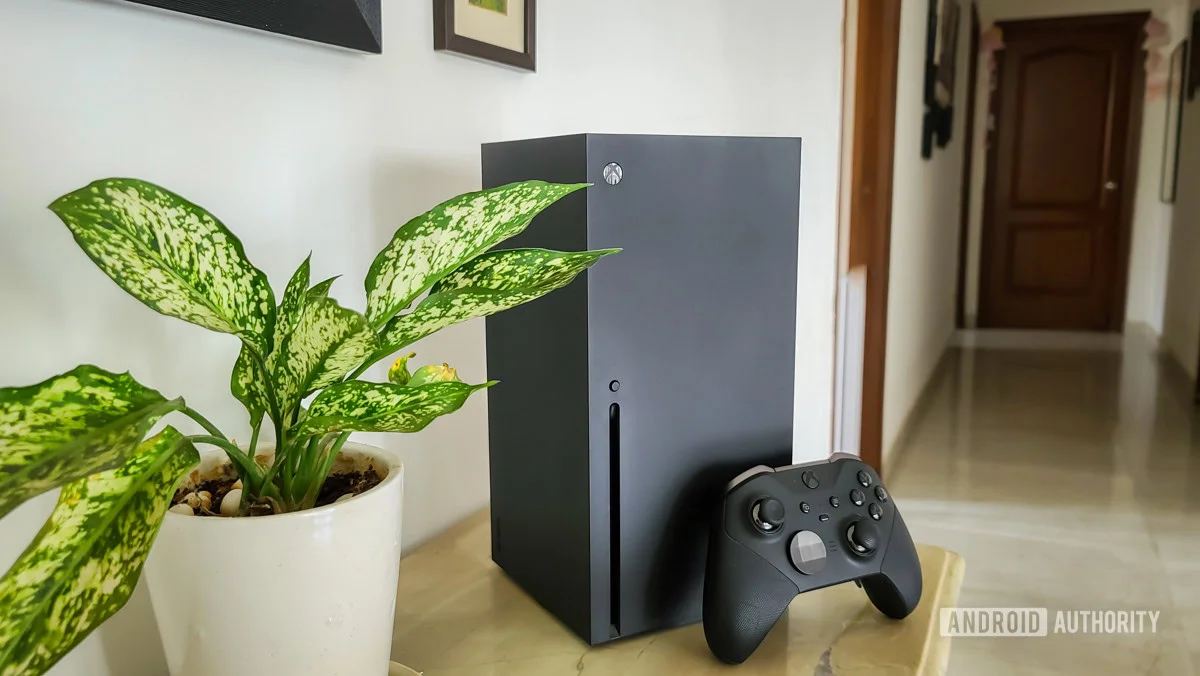
- Microsoft will increase XBOX console prices on August 1, 2026.
- The 512GB models will be $100 more expensive, and the 1TB models will rise by $150.
- The 2TB model will be discontinued as part of this update.
The Economic Pressures on Gaming Hardware
The gaming hardware market finds itself navigating a complex web of economic challenges. The announcement from Microsoft regarding the price hikes for its Xbox Series X and Series S consoles on August 1, 2026, clearly illustrates this trend. With the price of the 512GB model increasing by $100 and the 1TB model rising by $150, consumers are undoubtedly facing higher barriers to entry into the gaming ecosystem.
Supply chain issues have plagued multiple industries since the onset of the pandemic, and gaming has been no exception. Hardware manufacturers have struggled with shortages of essential components like semiconductors, which are pivotal for producing gaming consoles. As a result, companies have had to re-evaluate their pricing strategies to maintain profit margins. These price increases from Microsoft aren't isolated; competitors like Sony and Nintendo have also opted to raise their prices in light of similar pressures.
Comparative Analysis: Market Responses
When looking at the broader industry, it's insightful to compare Microsoft's approach with those of its competitors. Sony raised prices for its PlayStation 5 last year, reacting to massive demand compounded by supply shortages. Similarly, Nintendo raised the price on select models of the Switch after acknowledging increased production costs. These moves indicate a shared recognition among major players that the traditional approach to pricing may no longer be viable in this economic climate.
What's interesting here is how consumers are likely to respond. The gaming community's sentiment around price increases can be volatile. Affordability is a significant concern, especially for casual gamers who might not have the same disposable income as more hardcore enthusiasts. If you're working in this space, you'll want to keep an eye on how these price adjustments impact sales and consumer sentiment. Will users flock toward less expensive alternatives, or will brand loyalty prevail?
Moreover, the discontinuation of the 2TB model may hint at a shift in consumer behavior. If Microsoft is streamlining its offerings, it may believe that the demand for lower storage options aligns better with market trends. This is especially relevant as game sizes have ballooned over the past few years, making storage concerns more immediate for gamers. However, it's uncertainty whether the average consumer is ready to forgo that extra storage for a lower price point.
Consumer Sentiment
This price adjustment isn't just about numbers; it's about what those numbers signify. The gaming community has exhibited a fair amount of skepticism towards corporations in recent years, particularly regarding how they've navigated the challenges posed by the pandemic. Price hikes can lead to backlash if the perceived value doesn't match the increase. And yet, for many gamers, the appeal of premium gaming experiences may outweigh their financial concerns — at least in the short term.
Playing on nostalgia and brand loyalty is a strategy employed by Microsoft, akin to Apple's approach in the smartphone market. Enthusiasts and die-hards are often willing to pay a premium for the latest tech, even as most buyers will be questioning the financial rationale behind such a significant increase. That said, the absence of the 2TB model could encourage gamers to think critically about their storage needs amid rising prices.
Future Implications: What's Next for the Gaming Market?
The implications of Microsoft's price increases extend further than just revenue adjustments. What this means for you and the broader gaming market is a potential shift in purchasing behavior and platform dynamics. If price sensitivity becomes more pronounced, we may see a greater divide between casual and committed gamers, altering how companies approach product launches and marketing.
Folks like to overlook how important pricing strategies are for the longevity of hardware. If gamers opt for alternatives or even turn to PC gaming due to better value propositions, companies need to adapt quickly. The rise of subscription services like Xbox Game Pass could play a role here, offering a more financially feasible entry point for gamers disillusioned by hardware uplifts. Essentially, it sets the stage for competition and innovation beyond just hardware.
However, the viability of streaming services is still subject to debate. They often require strong internet connections and incur additional costs that can add up over time. For many, owning a console still feels like a safer bet. Yet the disparity created by these price hikes may lead to unexpected changes within the loyal user base. In closing, we’re likely in for some pivotal shifts in strategy as companies respond to both consumer frustration and market realities.