Maximize Android Data Recovery with Dr.Fone: A Solution for Lost Files
The Weight of Losing Data
There's hardly anything more distressing than realizing vital data may be lost forever. Whether your Android device has suffered water damage, a broken screen, or an unsuccessful factory reset, that sinking feeling of panic is familiar to many. The digital age has made preserving our data crucial; we store everything from treasured family photos to important work documents on our devices. When you realize that these essential files might be gone, the stakes feel incredibly high. Recovering essential files quickly becomes your primary objective, and you need an effective solution that simplifies the process rather than complicates it.
What many users fail to consider is the sheer volume of data they pile onto these portable devices. Studies have shown that smartphone users have an average of more than 80 apps on their devices, alongside countless files and media. In this environment, a malfunction or mistake can lead to significant data loss. The emotional toll can't be understated. Combine that with the technical challenges of recovery, and you find a scenario that tests the resilience of any user. That's where data recovery software comes into play, transforming a nightmare scenario into something that can potentially be resolved.
Introducing Dr.Fone — Android Data Recovery
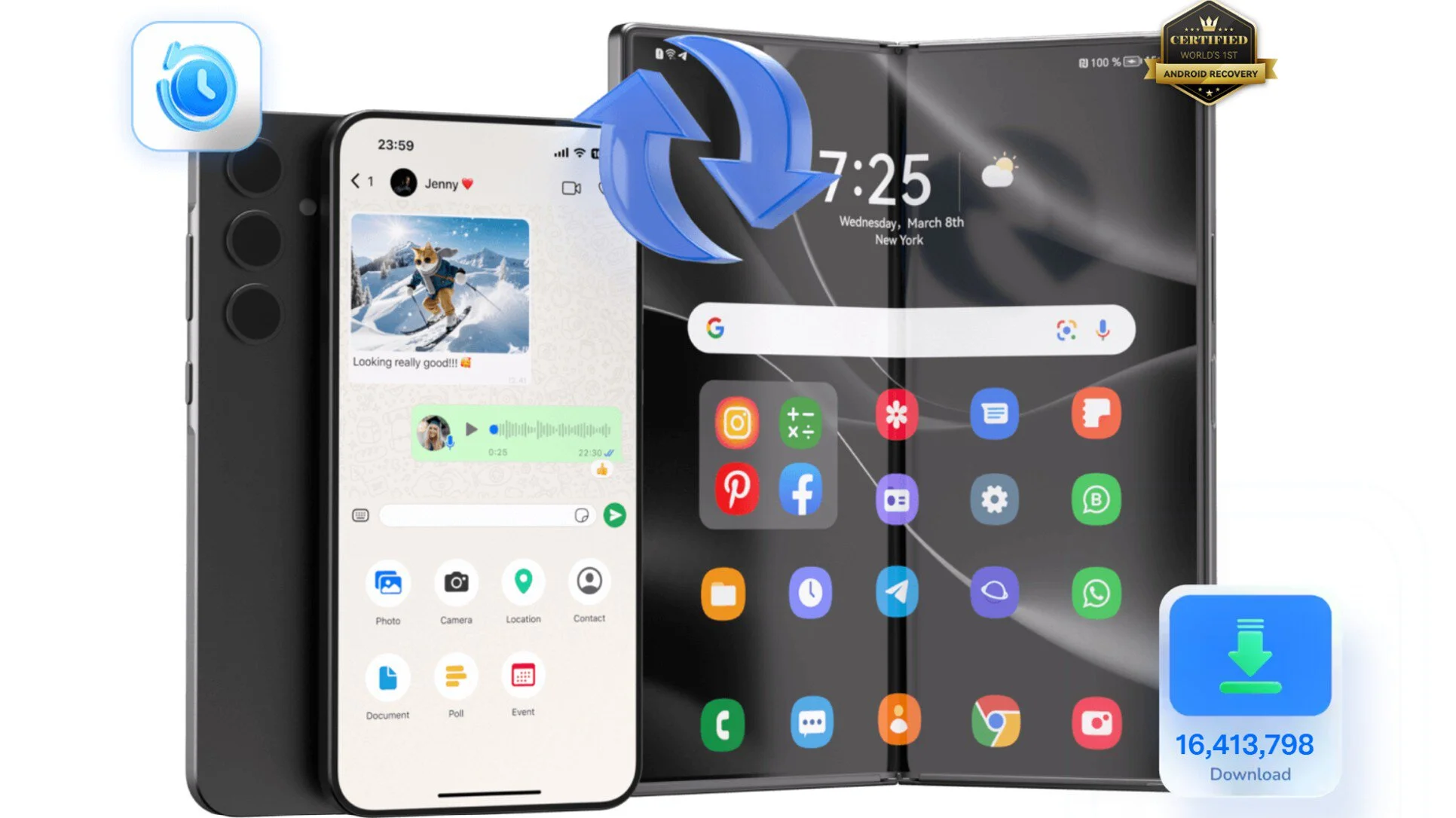
This software offers a reliable means to recover lost or deleted content from Android devices, encompassing everything from photos and messages to contacts, videos, call logs, documents, and even WhatsApp messages. In an age where communication and personal documentation are primarily digital, the ability to retrieve such lost materials is increasingly important. The emotional connection to photos or texts can be profound. Losing them feels like losing a piece of your life’s narrative.
With Dr.Fone, you can conduct a thorough scan of your device for recoverable items, allowing for a preview of results before you proceed with recovery. This feature is particularly valuable when you're after specific files like a photo album or a contact list, as it eliminates guesswork and enables focused decision-making about what to restore. It’s a user-friendly interface that Lord knows most people need — technology should lessen stress, not enhance it.
Dr.Fone's approach is largely intuitive and addresses a key pain point in the recovery process: uncertainty. You no longer have to guess what might be recoverable. That peace of mind allows users to navigate through their digital losses with a more structured approach, systematically understanding what’s at stake and what can be salvaged.
The Technical Aspects of Recovery Solutions
It's essential to consider how such recovery software operates under the hood. Generally, devices delete files but don’t erase the actual data until it gets overwritten by new information. Dr.Fone uses sophisticated algorithms to scan the device's memory for fragments of the lost data, piecing together what can be restored. This kind of approach is fairly standard in the data recovery domain. However, the efficiency of recovery varies widely by software, depending on how well it can identify and reconstruct data structures.
Moreover, it's important to recognize that different manufacturers may employ varied data management policies. Android itself is not a single entity, but a collection of devices from different manufacturers, each with their own nuances. This fragmentation can complicate data recovery efforts. You might be able to recover files on one brand more easily than another, leading to discrepancies in user experiences. Dr.Fone generally aims to provide a one-size-fits-all solution, but results will differ based on the specific Android flavor.
Comparative Context: Data Recovery Tools
This category is not without competition. Alternatives like EaseUS MobiSaver and Tenorshare UltData also vie for consumer attention and showcase varying strengths. Some emphasize speed in the recovery process, while others focus on a broader range of file types or offer different user interface preferences. If you're working in this space, you know that user reviews and product comparisons can be illuminating but often lead to confusion. Each tool tends to have its unique marketing spin, making it hard for consumers to choose the best one for them.
Yet, a common pain point across many data recovery software options is the challenge of compatibility with the latest updates and device models. Software that works beautifully on older devices may suddenly struggle with new releases, primarily if they introduce different file management systems or security protocols. Technology advances don't just affect new features; they also complicate recovery options, which is a point worth considering when selecting a solution.
Implications for Users and the Industry
The real-world implications of tools like Dr.Fone extend beyond individual users. The tech industry is witnessing a steady rise in awareness about data recovery solutions, establishing a consumer demand that companies must heed. As businesses increasingly rely on data for their operations, particularly in sectors like finance and healthcare where data integrity is paramount, the need for efficient recovery tools is unlikely to lessen.
Moreover, privacy and data security concerns are at an all-time high. Users are more conscious than ever about who has access to their personal data and what can be recovered without their knowledge. This scrutiny puts pressure on developers to not just create effective recovery software but to be transparent about their operations and security measures. (And this is the part most people overlook: it’s not just about getting your data back but ensuring that it’ll stay safe.)
For manufacturers and service providers, these trends suggest an opportunity to innovate further in the data recovery realm, perhaps integrating more advanced technologies like machine learning for better recovery analytics. The potential for significant improvements in recovery rates through AI is a tantalizing possibility that some companies are already exploring.
What this means for you, the consumer, is a more dynamic and potentially high-stakes decision-making process when it comes to data recovery tools. The right software may not only save your essential files but could also be crucial for privacy and security in the digital future. Ultimately, the landscape of data recovery will continue to evolve, weighing heavily on both technological advancements and user demands.