Google Play Store Enhances Voice Search with Multilingual Support
Enhancing Voice Search for Global Users
Google continues to make adjustments to the Play Store, focusing on functionality that benefits its diverse user base. The latest version, 52.4.41-34, reveals a potential enhancement for the voice search feature, specifically aimed at multilingual users. This update will soon allow users to switch between more than 20 languages easily.
The Importance of Multilingual Support
Voice search technology has grown exponentially in recent years, significantly improving search accessibility for many. The growth in voice-activated tech reflects not just a trend but a fundamental shift in how people interact with their devices. For a company like Google, enhancing voice search is about keeping pace with global trends but also about ensuring inclusivity in technology.
In markets where English isn't the primary language, lack of support can alienate users. Imagine a user in Brazil struggling with voice search that only supports English; it’s essentially leaving a vast audience unheard. By integrating multilingual capabilities, Google could expand its user base and ensure more people can efficiently access services offered through the Play Store. This adjustment highlights a broader industry trend where personalization and localization are becoming essential, ensuring users' specific needs are met.
Key Features Under Development
Currently, the Play Store's voice search is limited to English, leaving non-English speakers to depend on less efficient dictation methods. The emerging update introduces a voice language selector, which will allow for quicker toggling between previously used languages. However, automatic language detection is still absent. Without this, users must select their preferred language manually for accurate speech transcription.
This manual selection can be cumbersome. Users interacting in a multilingual environment often switch languages fluidly, and this limitation disrupts the flow. Voice search is meant to facilitate quick access to information, and having to stop and select a language undermines that purpose. If you’re working in this space, you know that time is money, and any delay can negatively impact user experience.
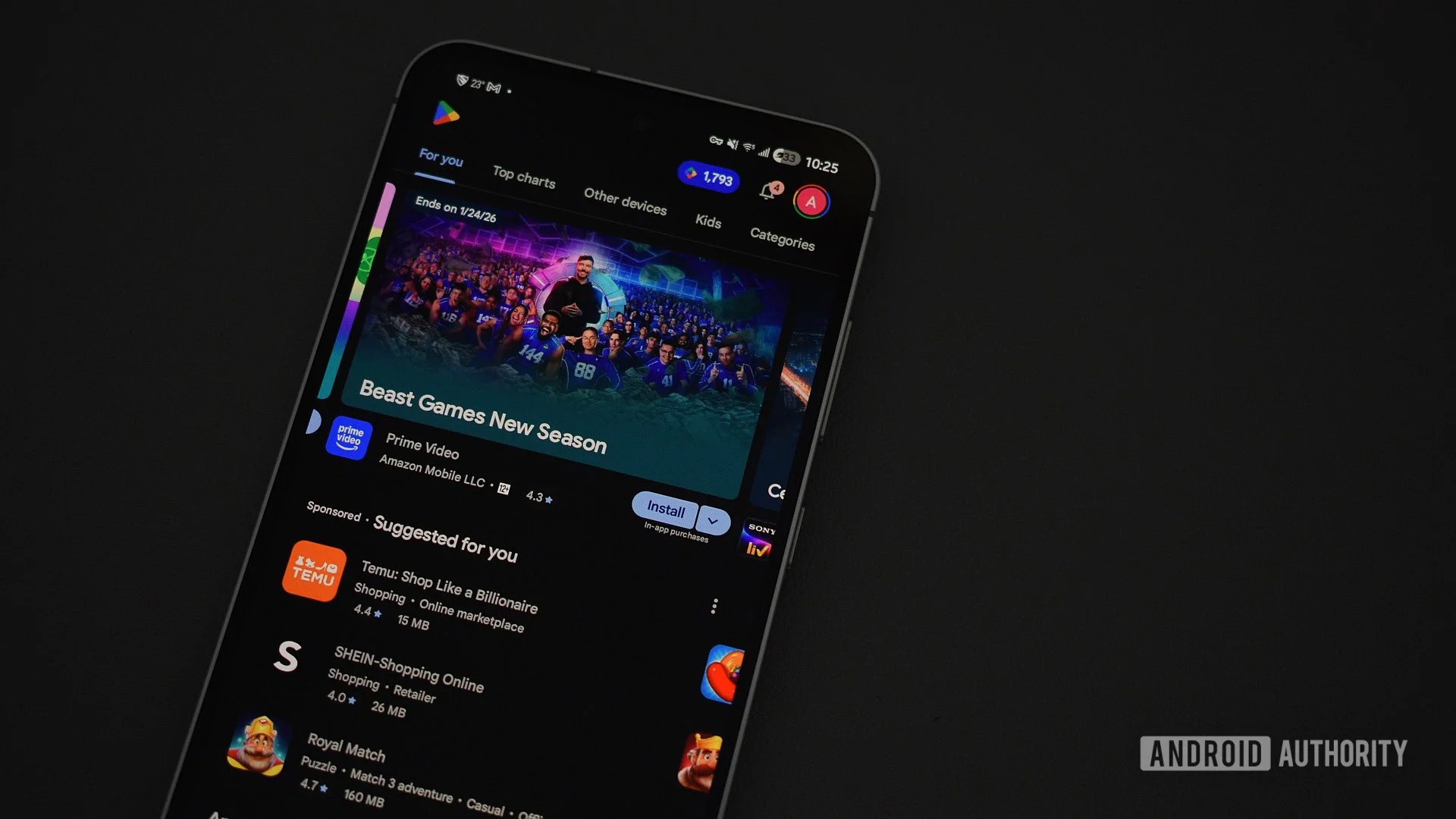
Comparative Insights
Looking at similar systems, such as Apple's Siri or Amazon's Alexa, we can see that they’ve put resources into ensuring a wide language range. For example, both platforms offer automatic language detection for several languages, which greatly enhances user satisfaction and engagement. These companies recognize that voice recognition technology needs to be relevant to varied user groups to stay competitive.
This raises questions about Google’s current strategy. Are they lagging behind in an area that could become a deciding factor in user preference? Tech giants often compete fiercely for this market, and those that offer these advanced features are likely to keep users engaged and retain market share. As it stands, Google's approach seems to be reactive rather than proactive, an issue worth scrutinizing.
Implications and Future Outlook
The introduction of a language selector could pave the way for broader acceptance of voice search technology in non-English speaking regions. Nevertheless, just adding the selector without improving automatic detection may not be enough to satiate the growing expectations of multilingual users. This patchwork solution might only partially address user frustrations, which is a risk for a tech company dependent on positive user experiences.
This update carries weighty implications not just for user experience but also for developers. If Google can create an environment where global audiences feel catered to, developers may find increased opportunities in these growing markets. In turn, this can drive app engagement. Adopting a truly multilingual focus could result in exponential growth for app submissions and downloads.
However, there's the pressing question of how quickly Google can roll out these enhancements. As competitors refine their offerings, standing still could mean falling behind, especially in regions where multilingualism is the norm rather than the exception. This isn't just about voice search; it's about positioning in a fragmented market where language is a barrier but also an opportunity.
For users, this will likely lead to more streamlined searches in their preferred languages. But keep an eye on how quickly Google develops their voice recognition technology to meet these rising demands. The pressure is mounting.