Elevate Your Device Aesthetics with One UI 9’s Motion Photo Wallpaper Feature
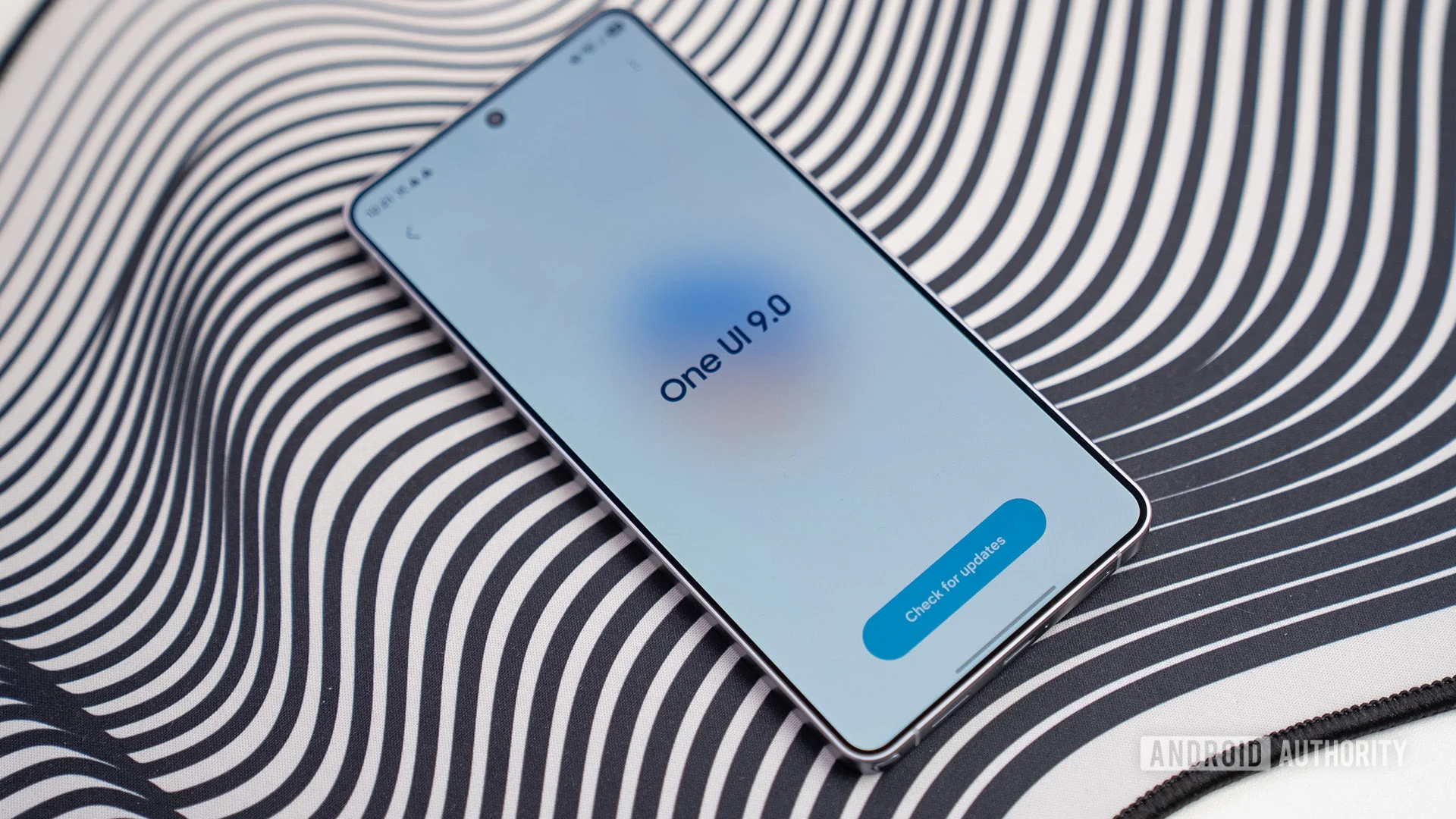
- One UI 9.0 allows Motion Photos as wallpapers for home or lock screens.
- This feature is currently available for Galaxy Z Fold 8, Fold 8 Ultra, and Flip 8.
- It’s not yet available for devices running the One UI 9.0 beta on Galaxy S26 models.
Introducing Dynamic Wallpaper with Motion Photos
Do you want your phone's background to feel more animated than just a static image? Samsung’s One UI 9 can make that happen. The latest iteration of Samsung's One UI expands the concept of personalization by introducing the ability to set Motion Photos as wallpapers. This feature caters to users craving a dynamic aesthetic, transforming the traditional approach to wallpaper customization.
How Motion Photos Work
Motion Photos are, in essence, a blend of photographs and short video clips. When activated, a Motion Photo captures a brief segment of video around the moment of the photo—typically around 3 seconds. What results is a lively image that can convey more depth than a static shot, as a subtle movement can evoke emotion and context. This considered approach to capturing moments has proven popular, especially among younger users who often prioritize visual engagement.
Implications for User Experience
Setting Motion Photos as wallpapers gives users a fresh way to interact with their devices. Instead of just looking at a still image, users can see a snippet of life each time they unlock or glance at their smartphone. The feature isn’t merely cosmetic; it aims to enrich user experience by adding a layer of interaction that static photos lack. It’s clear Samsung is aiming to capture the attention of users who appreciate visual storytelling.
Compatibility and Current Limitations
The feature is currently available for the Galaxy Z Fold 8, Fold 8 Ultra, and Flip 8 models, which highlights Samsung’s inclination to target premium devices first. However, it also reveals a significant limitation: users with devices in the Galaxy S26 lineup currently in the One UI 9.0 beta will have to wait for this feature to roll out. That's a strategic move on Samsung's part, undoubtedly aimed at enhancing the flagship experience while managing feature rollouts systematically across its device range.
Context within the Mobile OS Landscape
This decision aligns with broader trends in the mobile operating system landscape, where manufacturers are increasingly focusing on unique features to differentiate themselves from the competition. Apple, for instance, has made strides with similar capabilities in iOS, allowing users to engage with their device’s interface more dynamically. Samsung's implementation of Motion Photos takes a step further by integrating such moving images at a fundamental level—into the wallpaper itself—rather than as a mere accessory.
Exploring Previous Innovations
Similar systems typically incorporate animated wallpapers or live wallpapers as a standard feature. However, integrating Motion Photos as wallpapers is more than just following a trend; it presents a unique twist on the evolving nature of personalization in technology. Previous iterations of Samsung’s interfaces have included elements like dynamic widgets and real-time updates, but Motion Photos elevate conversation about how we want our devices to feel. The focus here is on liveliness versus static utility.
Design and Aesthetic Considerations
This push for more animated content does bring some design ramifications. It can be tempting to overload the user interface with flashy elements, but Samsung seems to balance this by allowing users the option to choose what appeals to them. More than just being visually striking, the implementation of such features reflects a shift in how smartphone manufacturers are perceiving user engagement. Simplicity still reigns, but there's an accompanying recognition that users are looking for a more immersive experience.
Looking Ahead: What's Next for Motion Photos?
If you're working in this space, the potential for future developments within this feature is intriguing. As technology advances, one could envision even more complex uses for Motion Photos, perhaps integrating AI to recommend the best moments to use as wallpapers based on user behavior or integrating sound elements for a more immersive experience. And yes, while the current feature has its limitations, the groundwork laid by One UI 9 could lead to broader applications of animated content in the future.
Future Outlook and Industry Significance
The introduction of Motion Photos as wallpapers. Significance? Enormous. It points to an industry shift towards richer, more engaging user interfaces. By offering alternatives to traditional wallpapers, Samsung not only keeps pace with competitors but also sets the stage for what could become standard in mobile design: choosing between static and dynamic, lifeless and lively. As users increasingly demand more from their devices, the growth of features like Motion Photos may redefine how we view personalization.
In summary, One UI 9’s Motion Photos capability doesn’t just improve aesthetics; it reflects a broader trend aiming at enriching user interaction and experience. Samsung is betting that a little motion can make a big difference in how users connect with their devices. But the question remains: will users embrace this vibrant feature, or is it just another gimmick in the crowded mobile market?