Apple Reimagines the Pro Experience with the iPhone 18 Series
September has unfolded once again, marking Apple's latest iPhone reveal, though this year brings notable changes. The entry-level iPhone has been omitted, which likely means we won't see the iPhone 18 until March 2027. In its place, the spotlight is on the iPhone 18 Pro and iPhone 18 Pro Max, accompanied by the highly anticipated iPhone Duo foldable. The iPhone 18 Pro series serves as an evolution from the previous iPhone 17 Pro series, introducing features such as a variable aperture on the primary camera—technology that Android has experimented with for some time. Still, with the arrival of the iPhone 18 Pro and 18 Pro Max, Apple sets a new standard for future Android flagships.
Apple iPhone 18 Pro and iPhone 18 Pro Max: Release date, price, and availability
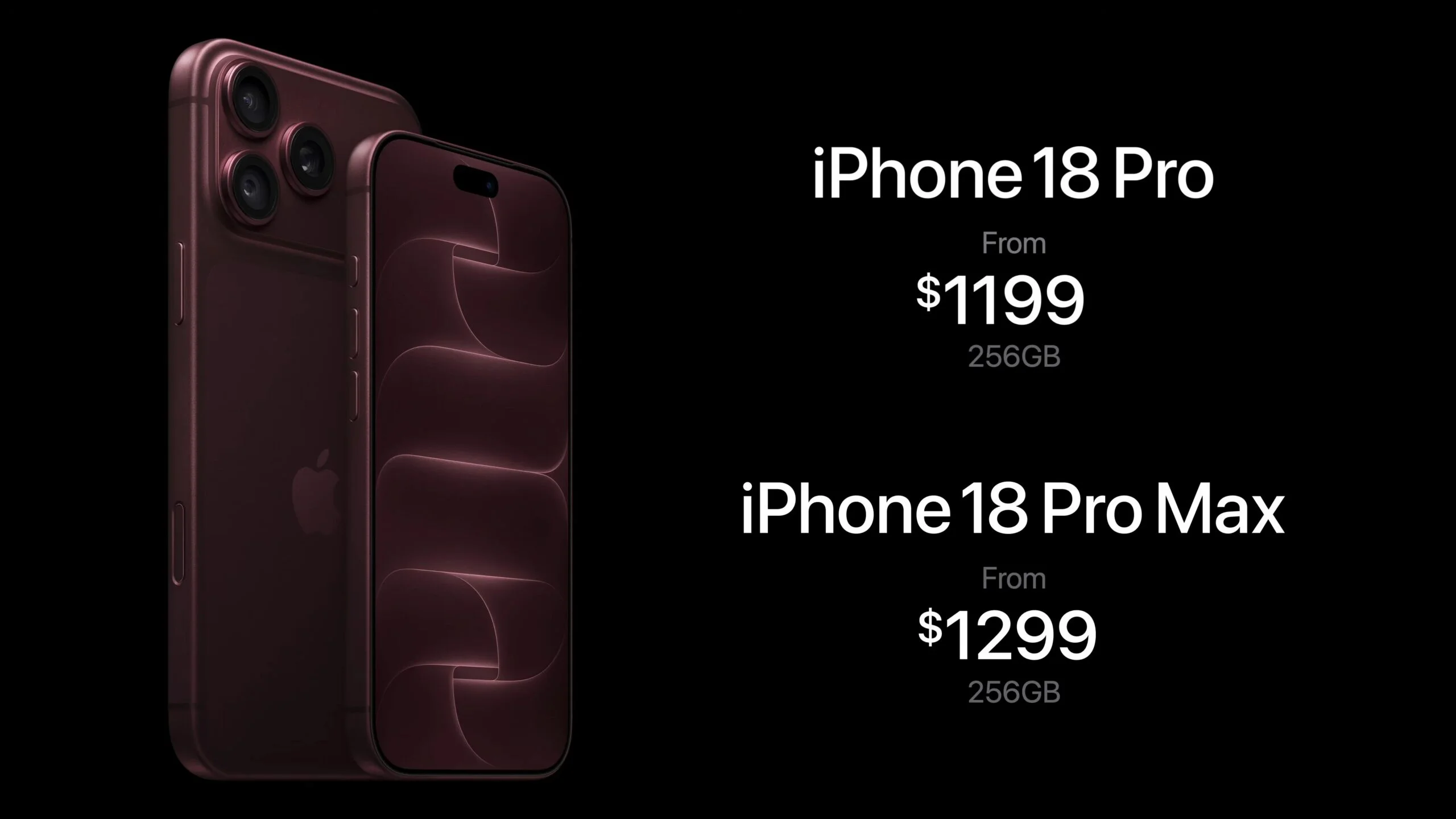
Shift in Apple's Lineup: The Omission of the Entry-Level iPhone
This year, Apple has made a significant departure by omitting the entry-level iPhone model from its lineup. Typically, Apple releases both a base and Pro model to cater to a wider audience. By skipping the standard version of the iPhone 18, Apple seems to be focusing squarely on its premium offerings. This choice could be driven by various factors, including market demand for high-end devices and a strategic positioning to increase average selling prices.
This isn’t the first time Apple has adjusted its product strategy. In recent years, the tech giant has increasingly emphasized its Pro models, often seen as more desirable. This shift signals both a confidence in the premium features of its flagship products and a willingness to leave the lower end of the smartphone market largely unaddressed. If you're working in this space, it might prompt a rethink of how other manufacturers position their products against Apple’s strategy.
New Features: Variable Aperture and Beyond
The iPhone 18 Pro and Pro Max introduce the much-discussed variable aperture on the primary camera, a feature that enables photographers to adjust the amount of light entering the lens. This technology has been seen in various forms in Android devices, allowing for greater creative control over images. What makes this feature particularly interesting is how Apple has historically focused on fixed aperture lenses that provide specific design choices in terms of depth of field and low-light performance. Offering a variable option suggests Apple recognizes the demand for more versatility in mobile photography.
This isn’t just about expanding features; it’s a balancing act in image quality and low-light performance. Apple's foray into variable apertures might elevate the capabilities of smartphone photography, putting pressure on competitors to match or exceed this offering. That said, it remains to be seen how Apple’s implementation compares to those already available in the Android ecosystem. With other brands having gotten there first, it could feel somewhat underwhelming if their execution isn’t pristine.
Comparative Analysis: Tracking Apple's Trajectory Against Android
With each iPhone release, there’s often a rush to compare Apple's offerings with those from Android manufacturers like Samsung and Google. The introduction of variable aperture parallels advancements from companies such as Samsung, which have experimented successfully with this technology in their Galaxy series. Other brands have also focused on camera tech, pushing the envelope with AI capabilities, enhanced stabilization, and computational photography.
It’s interesting to speculate how these competitive dynamics influence design and marketing decisions. Apple, historically rooted in a more conservative tech approach, seems to be expanding its tactics in response to Android competitors. There’s a distinct possibility that future Android flagships will need to up their game even further to keep pace with the new features in the iPhone 18 Pro series. The anticipation here is palpable—what exactly will rivals unveil in their next iterations to reclaim some spotlight?
Implications for Future Smartphones: The New Benchmark
The release of the iPhone 18 Pro series could signal an important shift in how premium smartphones are developed and marketed. Apple’s focus on high-end features, particularly in the realm of photography, sets a benchmark for competitors. Mobile devices are increasingly seen not just as communication tools, but as primary photography devices, and Apple's choices reflect that evolving consumer expectation.
But here’s the thing: it’s not just about features. The general user experience, brand loyalty, and ecosystem integration often sway buyers as much as, if not more than, the technical specifications of the device. If Apple cultivates that narrative effectively, it could further entrench its market position. And yet, how long can this dominance hold if competitors capitalize on any friction points—pricing, usability, or even sustainability?
As for the iPhone Duo foldable, this product exemplifies Apple’s willingness to explore innovative form factors that have been gaining traction in recent years. Foldable technology is still a developing space, and if Apple manages to crack it better than competitors, that could reshape future devices significantly.
In an industry where consumer preferences shift rapidly, Apple’s recent moves speak volumes about where it sees itself heading. The omission of the entry-level iPhone, along with the push towards more advanced features in its Pro models, illustrates a clear intent to dominate the high-end market. As the company navigates these waters, it may face pressure not only to innovate but also to justify the premium pricing associated with its brand.