Leaked Renders Reveal Upcoming Googlebooks from Acer, ASUS, and Lenovo
Upcoming Models Unveiled
Recent leaks have surfaced, highlighting the anticipated Googlebook lineup from Acer, ASUS, and Lenovo. This revelation is stirring interest as it showcases a robust commitment from Google in the laptop space, a category often overshadowed by smartphones and tablets but containing significant market potential.
Design Features
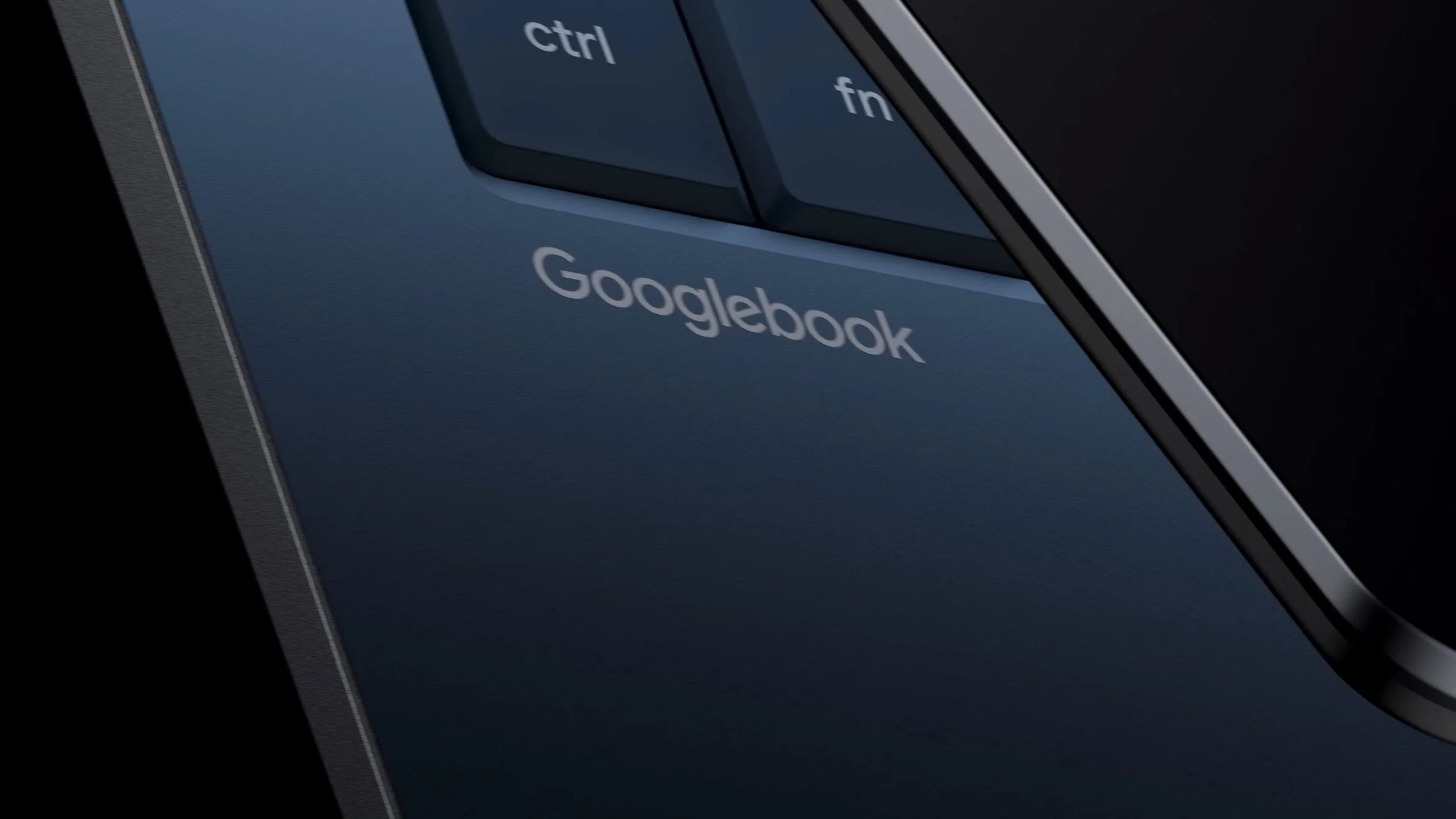
The leaked marketing images reveal all three models boast sleek designs complemented by a variety of ports, catering to users seeking versatility. Each device prominently features a “Glowbar” light strip, setting a distinct visual identity for the series. This design choice isn't merely aesthetic; it represents a growing trend in portable computing where aesthetics meet functionality. Consumers increasingly want devices that are not just competent but also striking. That's a shift from years of utilitarian designs.
In the competitive landscape of laptops, brands continuously innovate their design aspects to differentiate themselves. The introduction of customizable RGB lighting in devices has made its way from the gaming segment into mainstream models. The Glowbar could potentially serve as both an indicator of performance and a customizable feature for personalization.
What this means for users is that these laptops aren't just run-of-the-mill products; they're made to reflect user identity and preferences. As more consumers look to express themselves through their technology choices, the importance of such features will continue to increase.
Technical Specifications
While the leaked images are enticing, they hint at more than just aesthetic changes—the technical specifications are expected to match. Preliminary details suggest that these models are equipped with the latest processors, high-resolution displays, and ample RAM, making them suitable for a range of tasks, from casual browsing to intensive graphics work.
Consider the implications: with these capabilities, Google’s lineup could directly compete with Apple's MacBook and Microsoft's Surface series. This represents not just a potential uplift for Google's hardware strategy but could reshape user expectations across the market. The demand for high-spec yet affordable laptops continues to grow, and if Google can deliver at the right price point, it might capture a significant user base.
Moreover, integrating software optimizations that enhance performance could yield a competitive edge. We've seen how the efficiency of Chrome OS has improved in recent years, which aligns perfectly with this hardware evolution. If you're working in this space, keep an eye on how Google positions Chrome OS with these devices, as software optimizations could be the deciding factor for consumers choosing between laptops.
Release Dates
Google officially announced that pre-orders for these new devices will kick off on September 21, 2026, positioning them as premium options in the market. Given the existing timeline, this decision reflects a strategic approach to capitalize on the holiday shopping season. Such timing is significant; many tech companies align product launches to peak consumer spending periods. This gives Google a distinct advantage as they redouble efforts to increase brand recognition outside of their traditional stronghold in mobile and web services.
However, there’s more to consider. The market is volatile, influenced by not just consumer demand but also global supply chain issues. The tech industry is still recovering from disruptions caused by the pandemic, which has led to variations in the availability of components and materials. If production runs into delays, it could adversely affect Google's planned rollout, reminiscent of past instances where companies like Microsoft and Apple grappled with timelines for their tech launches. It’s a delicate balancing act.
Market Implications and Future Outlook
The introduction of the Googlebook lineup suggests a shift in the competitive dynamic within the laptop market. Should these new models garner positive reviews and deliver on performance, it could signal that Google is serious about establishing a foothold in a sector where it has often been seen as a peripheral player. It reflects a broader trend where tech companies are moving beyond their core competencies to stake claim in new territories. A successful launch could lead to expanded product offerings down the line, perhaps diversifying into other device forms like 2-in-1s or even higher-end gaming laptops.
This isn’t merely a matter of product release; it’s about Google's ambition to reshape its hardware narrative. After all, companies like Apple have shown how tightly integrated hardware and software experiences can elevate a brand. If Google can mimic this cohesive strategy—focusing on a holistic user experience that combines seamless software with powerful hardware—then we might see a stronger connection with consumers. All the while, the tech community will be scrutinizing these developments closely, assessing whether Google can transform its hardware ambitions into tangible market success.
And yet, user skepticism remains. Critics often point to the inconsistency in Google’s hardware efforts, questioning whether the company can sustain focus long enough to develop a compelling ecosystem. Only time will tell if these upcoming models can shift perceptions and secure a lasting presence in the laptop market.