Chrome to Introduce Multi-Link Copy Feature for Enhanced Productivity
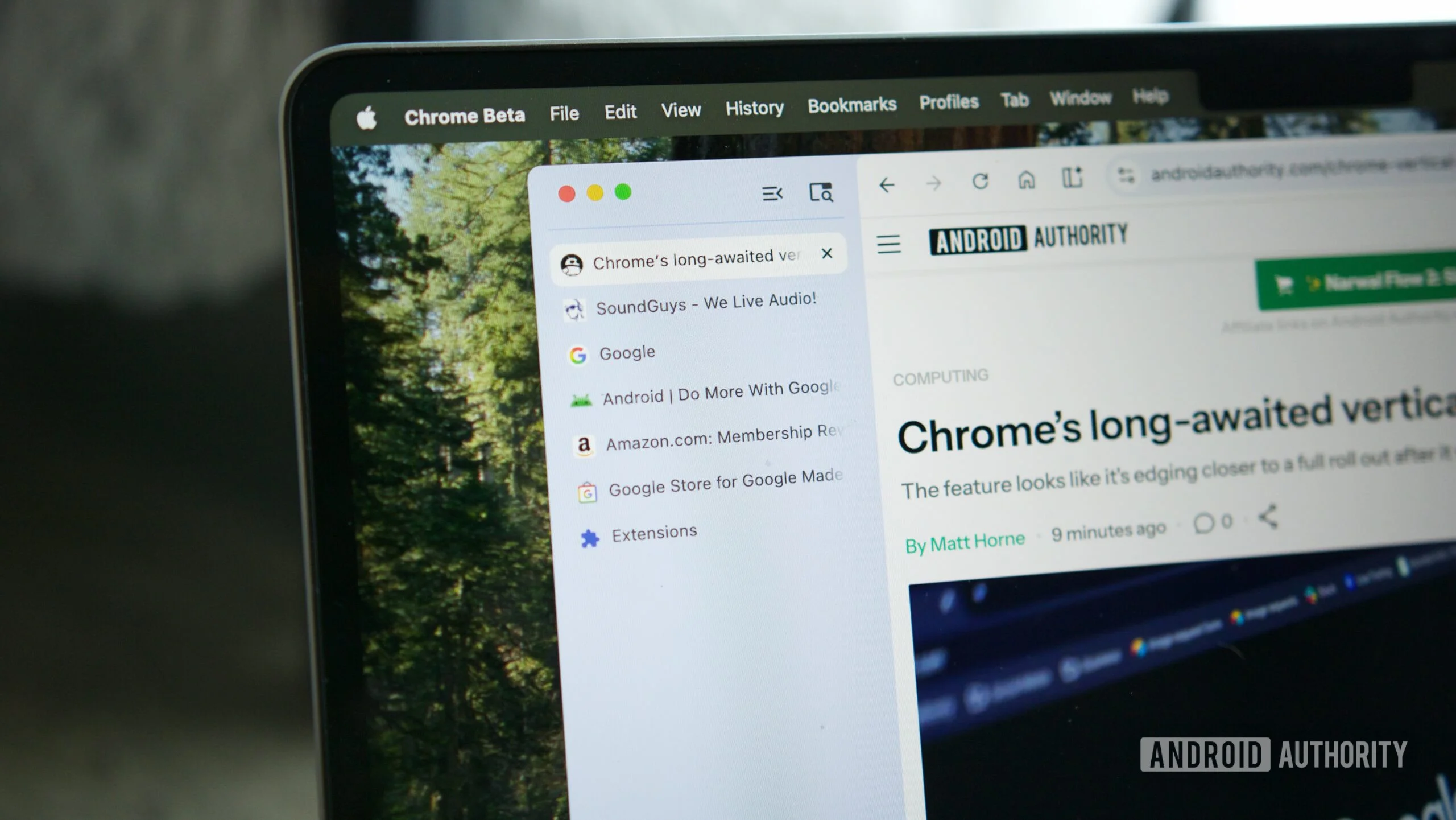
- Google plans to implement a feature for copying multiple links simultaneously.
- This feature aims to enhance the user experience by allowing the copying of URLs from all tabs in a group with a single action.
- Proponents of the idea believe it will simplify sharing multiple sources with AI chatbots.
Revamping Google Chrome: A New Era?
As competition among web browsers heats up, Google is strategically positioning Chrome to recapture users' attention much like when it first launched. Given that numerous alternatives boast unique features designed to attract a diverse user base, Chrome's battle for relevance requires more than familiarity; it needs innovation. This push for new features every two weeks signifies a commitment to reinvigorate the product and regain a sense of urgency among its users.
It's interesting to see Google pivot its focus toward enhancing usability and productivity, especially as remote work and digital communication remain prevalent. Aligning with these trends, the company seems to understand that today’s users demand tools that simplify their workflows. But why does this matter? If Google can adapt in real-time to what users crave, it can create a more compelling reason to stick with Chrome instead of migrating to competitors like Microsoft Edge or Mozilla Firefox.
The Copy Multiple Links Feature: What It Entails
Currently in testing, a significant addition is the ability to copy multiple links with just a single click. For professionals and casual users alike, this feature could transform how they handle information online. Especially for those who regularly browse, research, or work with AI tools, the need to share multiple URLs quickly can enhance the fluidity of workflows. Instead of digging through bookmarks or opening multiple tabs to copy links individually, users can gather everything in one action.
This proposed feature isn't merely a convenience; it's part of a broader trend toward improving user efficiency in an age where time is of the essence. If you're working in this space, streamlining repetitive tasks is often more critical than flashy new capabilities. It reflects an understanding that users often multitask and that their tools must evolve to support this behavior effectively.
Implications for AI and Digital Workflows
The introduction of this feature underlines a growing synergy between AI tools and web browsing. With more users employing AI chatbots for various tasks, simplifying the process of sharing links becomes pivotal. There's a clear expectation that the technological ecosystem should adapt to facilitate this integration. For example, educators, content creators, and digital marketers stand to benefit immensely, saving time that can instead be directed toward content creation or strategic planning.
Moreover, there's an aspect that many overlook: user trust. A browser that consistently innovates and provides tools that enhance user experience is more likely to foster loyalty. If users feel their needs are anticipated and met, they're less likely to switch to other platforms. In this light, Google isn’t just competing for market share; it’s also banking on sustaining a loyal user base that feels valued and understood by their product offerings.
The Competitive Context: What Other Browsers Are Doing
This isn't happening in a vacuum. Other browsers have introduced unique features over the years, each vying for attention. For instance, Microsoft Edge has made headlines for its integration with Windows applications and its built-in PDF reader, aiming to create a more cohesive experience for users within the Windows ecosystem. Firefox, long heralded for its privacy features, offers users advanced tracking protection and customizability that appeal to privacy-conscious individuals. In this competitive environment, Google must think carefully about how its new features will stack up against the alternatives.
There's a lesson in this for Google. Previous attempts to push radical changes often met with mixed reactions. Features need to not only perform well but also resonate with users' preferences, echoing thoughts they've shared on forums and user feedback platforms. The reception of any new feature, like the ability to copy multiple links, will determine if it becomes a mainstay or fades away.
Future Outlook: A Need for Adaptability
The future for Google Chrome hinges on its ability to adapt continually. If this new feature successfully rolls out and enhances user interaction, it could pave the way for additional capabilities that build upon the user experience. Expectations are high, and while competition is fierce, it's also a fertile ground for creativity. Users will likely see a push for even more integrations between browsers and tools as digital interactions continue to evolve.
This is more significant than it looks. Effective link-sharing could pave the way for enhanced collaborative tools within Chrome itself or even service integrations with platforms like Google Docs or Trello. These connections might help Google position its suite of tools as a go-to for productivity rather than just a browser.
Final Thoughts
As browsers continue to innovate, Google Chrome's proposed feature of copying multiple links reflects an understanding that user efficiency is paramount. If executed well, it not only streamlines workflows but also aligns with emerging needs in our increasingly interconnected digital lives. And yet, whether this will suffice in retaining and attracting users remains to be seen; the company will need to keep the momentum going well beyond just this feature.