Consider Before You Buy: The Fitbit Edge's Notable Shortcomings
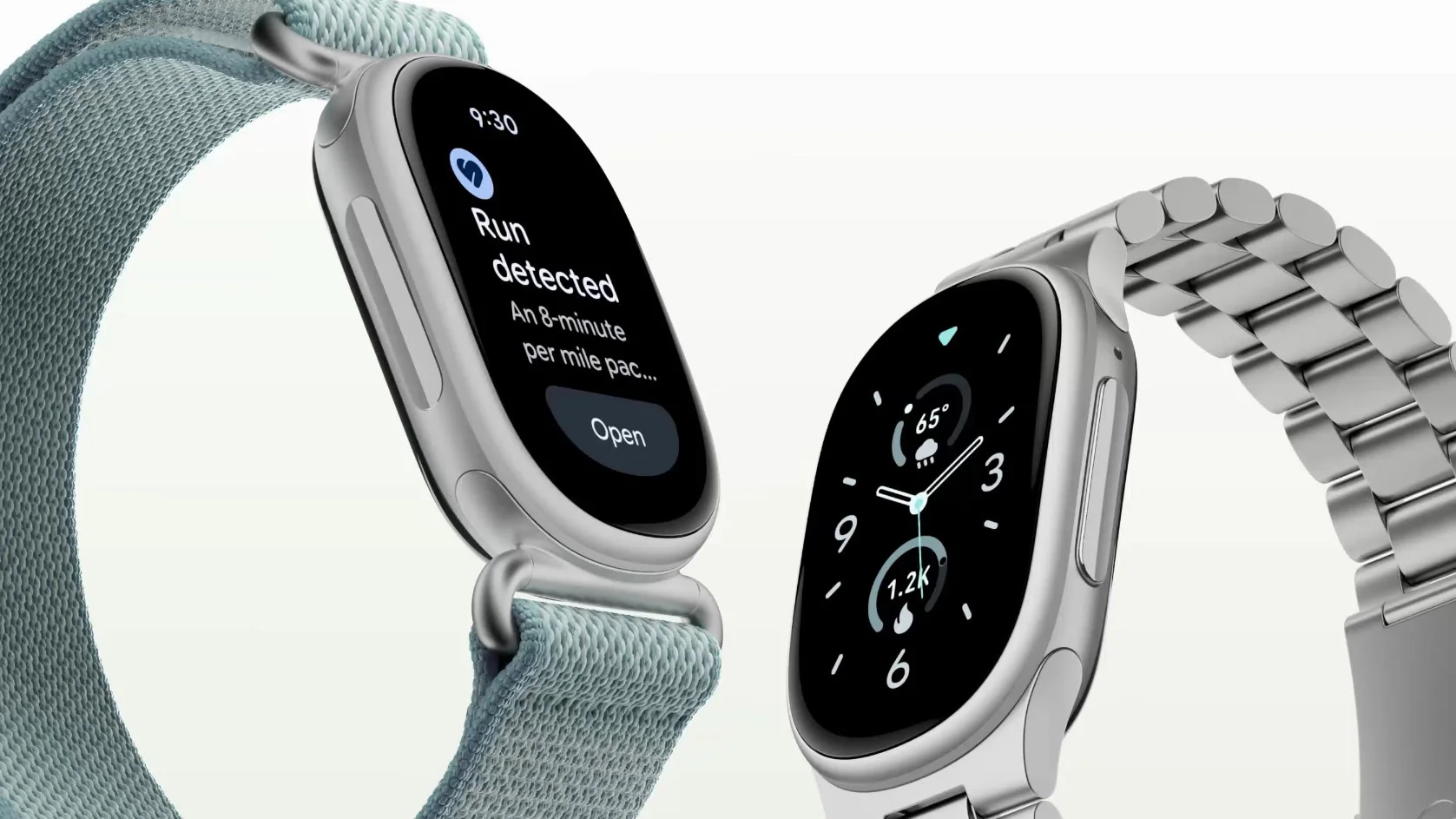
Understanding the Fitbit Edge
The Fitbit Edge marks Google's latest foray into the competitive wearable market. As the tech landscape shifts further towards health and wellness tracking, the features of devices like the Edge become increasingly relevant. The fitness-focused functionality is only part of the equation; how these features integrate into everyday life is paramount. While some users might be primarily interested in workout and health metrics, others may prioritize connectivity and everyday utility.
At its core, the Fitbit Edge aims to blend health-focused capabilities with smart features that go beyond simply counting steps and measuring heart rates. You’ll notice that many modern wearables now come with functionalities like call mirroring, which allows for taking calls directly from the device. Having a mic and speaker is no longer just a bonus; it’s becoming an expected norm. The same holds true for mobile payment capabilities, which users find increasingly helpful for making quick transactions without pulling out a smartphone.
Key Features to Consider
Let’s dissect the features that are key to the Fitbit Edge. Call mirroring with a mic and speaker could elevate the user experience significantly. Imagine being busy in the gym or on the go and not having to dig through your pockets when a call comes in. This feature is essential, especially for individuals who juggle multiple responsibilities or find themselves in situations where checking a phone is impractical.
Mobile payment integration, while another growing trend, is also crucial for convenience. In a world increasingly focused on frictionless transactions, the ability to pay right from your wrist might persuade fitness enthusiasts to consider the Fitbit Edge over competitors. Yet, these features do not operate in isolation. They need to be intuitive and reliable to leave a lasting impression.
What about the capabilities around on-device Gemini interactions? This refers to the device’s ability to not only track health metrics but potentially to interact dynamically with smart home systems or other connected devices. If you’re a tech-savvy user, this could enhance your experience significantly. Being able to control smart home devices from your wrist can be appealing, depending on your lifestyle.
Comparing the Edge with Charge 6
When considering the Fitbit Edge, it's often tempting to compare it to the Charge 6. Both devices offer tracking capabilities and smart features, but they cater to slightly different audiences. The Charge 6 focuses on health metrics with a straightforward interface, which might appeal to users who just want vital health data without added smart functionalities. On the other hand, the Edge seems geared towards users who expect a multi-functional device that can transition between fitness tracker and smart assistant.
This brings up an essential point: understanding who you are as a user will clarify which device might be a better fit. If you place more value on health tracking without the distractions of extra features, the Charge 6 could serve you better. Conversely, if you're looking for something that pulls double duty, the Fitbit Edge might be worth considering.
Day-to-Day Experience and Implications
Here’s the thing: how well these features integrate into daily life can dramatically affect user satisfaction. Users often overlook the significance of integration — having a host of features that are difficult to access or inconvenient to use can lead to frustration. Compatibility with other devices and applications plays a vital role in this equation. If you’re already using Google services, you might find that the Fitbit Edge syncs more efficiently with your current ecosystem compared to alternatives from other brands.
And yet, even with all these appealing features, it’s not a guaranteed hit for everyone. Some users may discover that they don’t fully utilize the capabilities of the Fitbit Edge. If you’re working in this space, you might want to consider whether the sophisticated features genuinely align with your habits. If your primary goal is tracking basic fitness metrics, paying extra for extensive smart functionalities could lead to buyer's remorse.
Future Outlook: Is the Fitbit Edge Enough?
The future for smart wearables feels uncertain as the market evolves rapidly. There’s a risk of oversaturation with features that don’t cater to user demands. If companies like Google fail to focus on real user needs, they might face backlash. For example, how many fitness trackers can claim to be the best before they just flood the market with similar offerings? This saturation could dilute consumer trust.
As competitors continue to innovate and expand their offerings, the Fitbit Edge will need to carve out a niche that emphasizes what sets it apart from other devices. This isn’t just about the number of features but about crafting an experience that's worth a customer’s time and money. The next year or two will reveal whether Google’s vision resonates with users or if the product's myriad capabilities turn out to be overshadowed by its simpler counterparts.
In the end, the Fitbit Edge could appeal to those who value both fitness and seamless integration with their digital lives. But for others? It might feel like just another complex device amid a sea of options. Making an informed choice matters now more than ever.