Consider These 5 Alternatives to the Samsung Galaxy A16 for Budget-Friendly Android Choices
The Quest for Affordable Smartphones
For many Android users, the search for an affordable smartphone can be daunting. Balancing cost and functionality isn't an easy task. Today's market is flooded with options that promise more than they deliver, especially in the budget segment—where compromises often lead to dissatisfaction. With escalating prices across the board, finding a device that offers decent performance without a hefty price tag can be overwhelming.
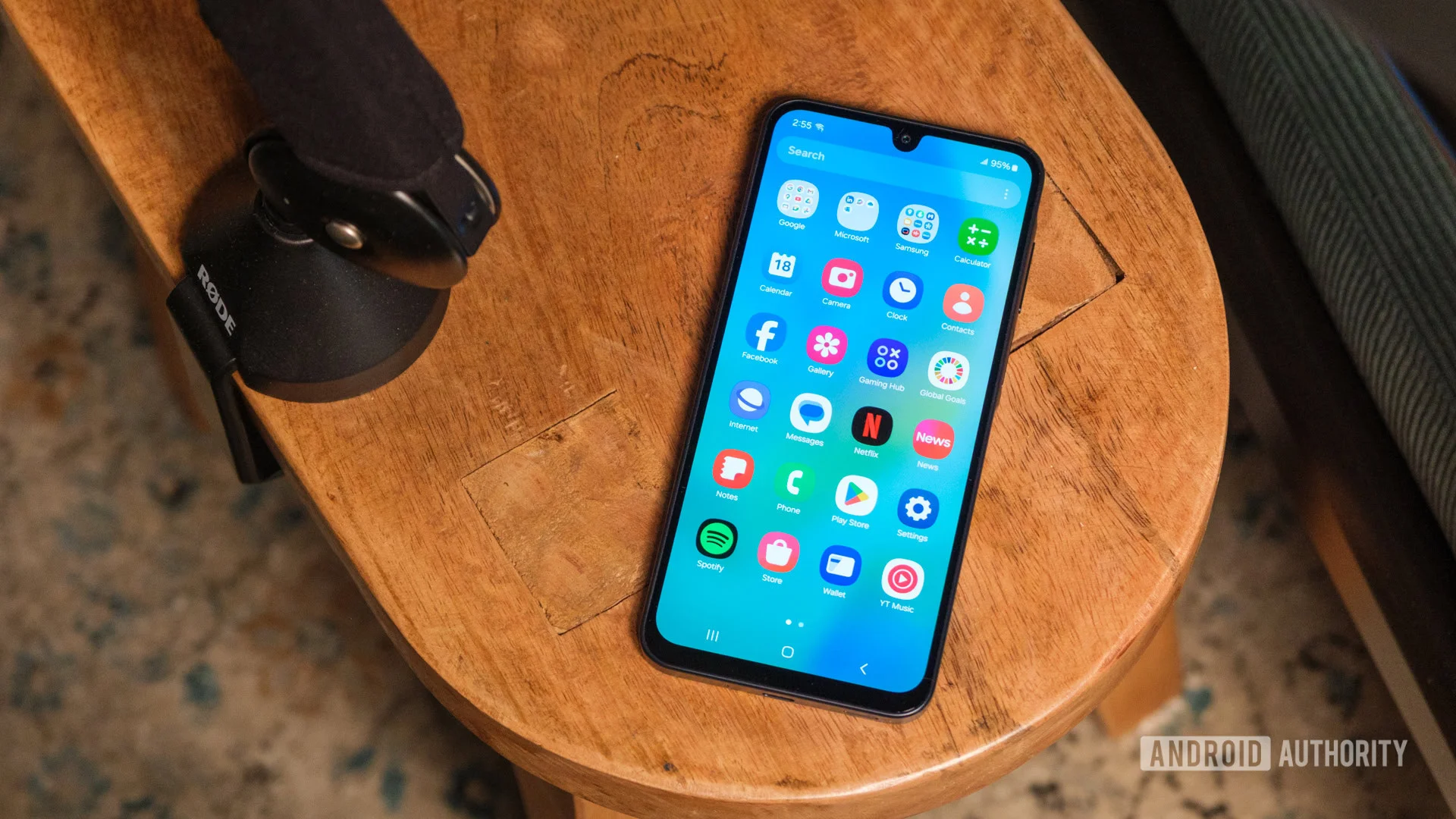
The Samsung Galaxy A16 has carved out a niche as a user-friendly, budget-conscious device. This appeal stems not just from its pricing, which hovers around the sub-$200 mark, but also from its capacity to receive software updates—an essential aspect for users who want longevity in their devices. When compared to its competitors, Samsung's reputation for delivering timely updates makes the A16 a contender worth considering.
The Rise of Samsung’s Budget Offerings
Samsung has a long-standing legacy in the smartphone world, and it’s particularly strong in the budget category. The Galaxy A series has gained a reputation for striking a balance between features and price. These devices typically cater to a wide range of users, from students who need basic functionality to professionals seeking a secondary device.
What sets the A16 apart? Its design language makes it appealing, and it carries certain features you'd expect from higher-end models, like a decent camera system and a satisfactory battery life. However, this device is more than just another budget option; it signals Samsung's strategy to dominate even the lower end of the market. The aim seems to be not just to create attractive devices, but to ensure customers return to the brand as they upgrade in the future.
Market Position and Sales Performance
The Galaxy A16 has emerged as the sixth best-selling device on Amazon, a testament to its positive reception among consumers. But being popular doesn’t always equate to being the best choice. Sales figures can often be misleading. While it’s encouraging to see such an entry-level phone perform well, it raises questions about the saturation of the market and whether consumers are aware of better alternatives.
Exploring Alternatives: Are There Better Value Options?
Despite its solid features, there are several alternatives worth considering if you're in the market for an affordable Android phone. While the Galaxy A16 is commendable in many respects, you might find better value or enhanced performance in other models. Here’s the thing: competing brands are also vying for the same budget-conscious consumer audience, and some may outshine the A16 in key areas.
For instance, brands like Motorola and OnePlus often deliver quality devices at competitive prices. The Motorola Moto G series has consistently been praised for its balance of features and performance. This is the part most people overlook: it often caters directly to user needs by taking a no-frills approach, which translates to reliability over flashiness.
Similarly, the OnePlus Nord lineup, with its performance-centric design and appealing pricing, can also rival the A16. It’s critical to evaluate whether the additional features found in these devices are beneficial for your unique needs. If you're working in this space, the importance of evaluating devices beyond surface-level specs becomes clear. Consumers should be prepared to do their homework; it might save them a few dollars and some frustration down the line.
Performance Metrics for Budget Phones
So, what should you specifically look for when comparing budget phones like the Galaxy A16? Performance metrics can often guide consumers in the right direction. Key factors to consider include processing power, camera quality, battery life, and software support.
Typically, budget phones might feature mid-range processors that perform adequately for everyday tasks but might struggle with more demanding applications. For example, if gaming or multitasking is on your list of needs, consider how a device's processor and memory stack up against others. Camera quality is another critical area, especially now that social media plays a significant role in daily life. Users often underestimate how much a good camera can enhance their smartphone experience.
Batteries also deserve attention. Subpar battery life can render even the most appealing smartphone a burden. Ideally, a budget phone should offer at least a full day of usage, considering how connected we are today. This can make a significant difference in your day-to-day satisfaction.
Future Outlook: Where Are We Headed?
The implications of the Galaxy A16’s success extend beyond mere sales figures. Its appeal signifies a growing trend in consumer demand for affordable smartphones without sacrificing functionality. As manufacturers continue to innovate within this space, we may see exciting developments aimed at enhancing user experience without high costs.
However, as competition grows, there's also the risk of model saturation. Consumers might find it increasingly difficult to discern which devices offer real value and performance. This leads to a critical juncture: companies must craft narratives beyond technical specs, emphasizing long-term support and user experience. What this means for you is that the smartphone market will continue to shift, pressing brands to either raise their standards or risk extinction.
If you're still navigating your way through the myriad options available, stay informed. Watch how companies adapt and where they place their focus. The future of budget smartphones is dynamic, and the best choices will be those that genuinely cater to user needs rather than just aesthetic preferences.