Google's Gemini Live Elevates User Experience with Enhanced Memory Feature
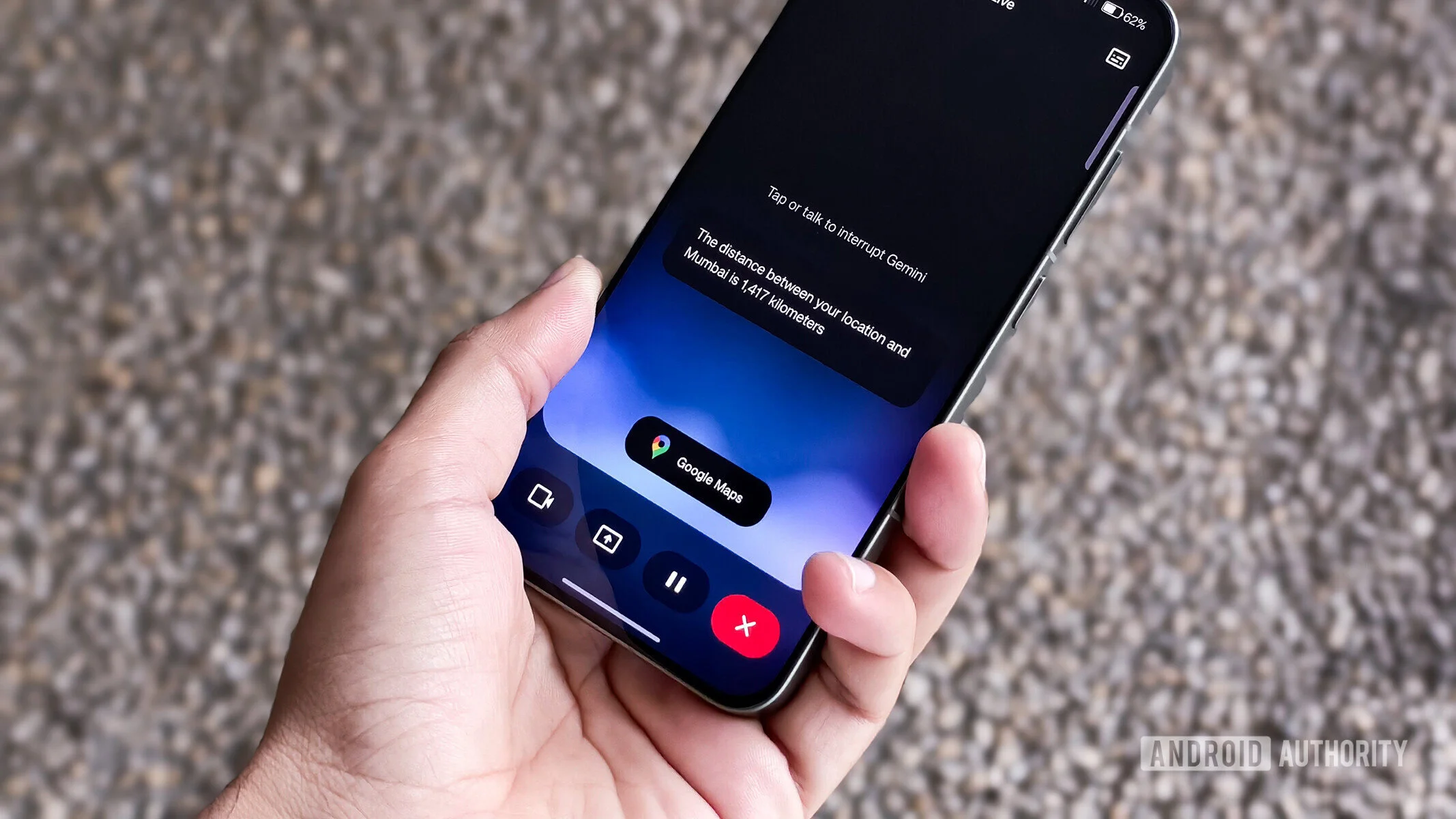
- Gemini Live now utilizes Personal Intelligence for customized interactions.
- The service recalls information shared in previous conversations to enhance dialogue.
- Personalized replies can also draw on user activities from other Google services.
What Is Google Gemini?
Google Gemini represents a significant stride in conversational AI, positioned as a competitor to established models like OpenAI’s ChatGPT. This platform isn't merely a chatbot; it aims to offer an integrated, multi-modal experience that goes beyond text-based interactions. Designed to understand context and intent, Gemini leverages Google's vast data resources and machine learning capabilities to provide users with more nuanced responses.
As consumers increasingly demand smarter, more personalized interactions, Gemini's introduction underscores a shift in how we engage with technology. Users now expect machines to understand their preferences, past behaviors, and even their emotions. Gemini’s enhancement with memory functionality taps directly into this trend, emphasizing a user-centric design through advanced AI capabilities.
Latest Developments in Gemini Live
Last month, Google updated Gemini with lively visuals and a refreshed user interface. The introduction of new languages and responsive design aims to broaden its accessibility and effectiveness across diverse user groups. These aesthetic improvements appear essential, but the enhancements in memory features may hold even greater weight in practical usage.
Notably, Gemini Live now features engaging animations for live-chats, positively impacting user experience. However, the real standout aspect of this update is the significant memory upgrade. This enhancement allows Gemini Live to tap into details from past conversations, creating an engaging conversational context. This evolution stems from the recognition that retaining information leads to better user interactions — a principle solidified by user preferences and behavioral patterns.
Memory Functionality: A New Dimension
While Gemini has featured memory functionality for over a year, its Live version previously struggled with limitations. The latest update enables Gemini Live to integrate memories from past interactions and data from connected applications, leading to tailored responses that reflect user preferences. This aspect can significantly elevate user satisfaction.
Two critical elements underpin this development: the ability to recall previous conversations and the synchronization with other Google services. By utilizing data from user activities across various platforms, such as Gmail or Google Calendar, Gemini can provide responses that are more relevant and contextualized.
If you're working in this space, consider the implications of memory in AI communications. Other companies are also developing similar features, acknowledging the growing consumer expectation for personalization in AI. It’s a difficult balance to strike — maintaining user privacy while enhancing user experience.
Enhanced Personalization Through Data
The improved memory feature means that Gemini can tailor responses based on previously mentioned preferences, further personalizing the user experience. By drawing on insights from numerous interactions, the system can foster a more engaging dialogue overall.
This capacity to integrate memories helps in building a more cohesive experience across platforms. Users aren’t merely engaging in a one-off chat; they’re interacting with a system that can remember their preferences and previous inquiries. The transition from reactive responses to personalized dialogue is subtle yet profound in shaping user expectations around AI interactions.
However, this level of enhanced personalization raises questions about data security and user consent. Are users fully aware of how their data is processed and stored? Transparency will be vital for maintaining trust. Users might struggle with the idea of an AI that remembers every detail about their preferences, leading to potential backlash if not handled delicately.
Implications and Future Outlook
The advancements in Gemini Live highlight a broader trend influencing the AI and tech industry: the move toward systems that personalize interactions based on user data. This isn't just about making the technology more responsive; it’s about adapting to an increasingly demanding user base that expects seamless integration and deeper engagement.
As companies race to enhance AI capabilities, the implications stretch far beyond individual user experiences. Enterprises will likely have to invest in AI technology that can not only interpret user data but also do so responsibly. Delivering personalized experiences without infringing on privacy principles will be the tightrope that future AI developments must walk.
Does Google’s Gemini model represent the future of AI interaction? It certainly points in that direction, pulling from existing technologies and refining them to fit contemporary needs. However, companies that fail to address privacy concerns will likely face significant backlash. This balancing act is something that all players in this burgeoning AI space will need to navigate carefully. The success of AI technologies hinges not just on innovation but also on the trust consumers place in them to handle sensitive information wisely.
In the end, the stakes are high. If user trust wanes, even the most advanced capabilities may struggle to find adoption. The road ahead is filled with potential, but the path requires guidance that respects ethical considerations and prioritizes user engagement.