WhatsApp Tests Meta AI Photo Expansion in iOS Editor

WhatsApp is bringing AI photo expansion into the sharing flow, letting users extend an image before sending it in a chat or posting it as a status. The feature uses Meta AI and has begun appearing for a limited group of iPhone users. It gives people a way to adjust a photo’s framing at the moment they’re about to share it, rather than sending it to a separate editing app first.
Expansion built into the photo editor
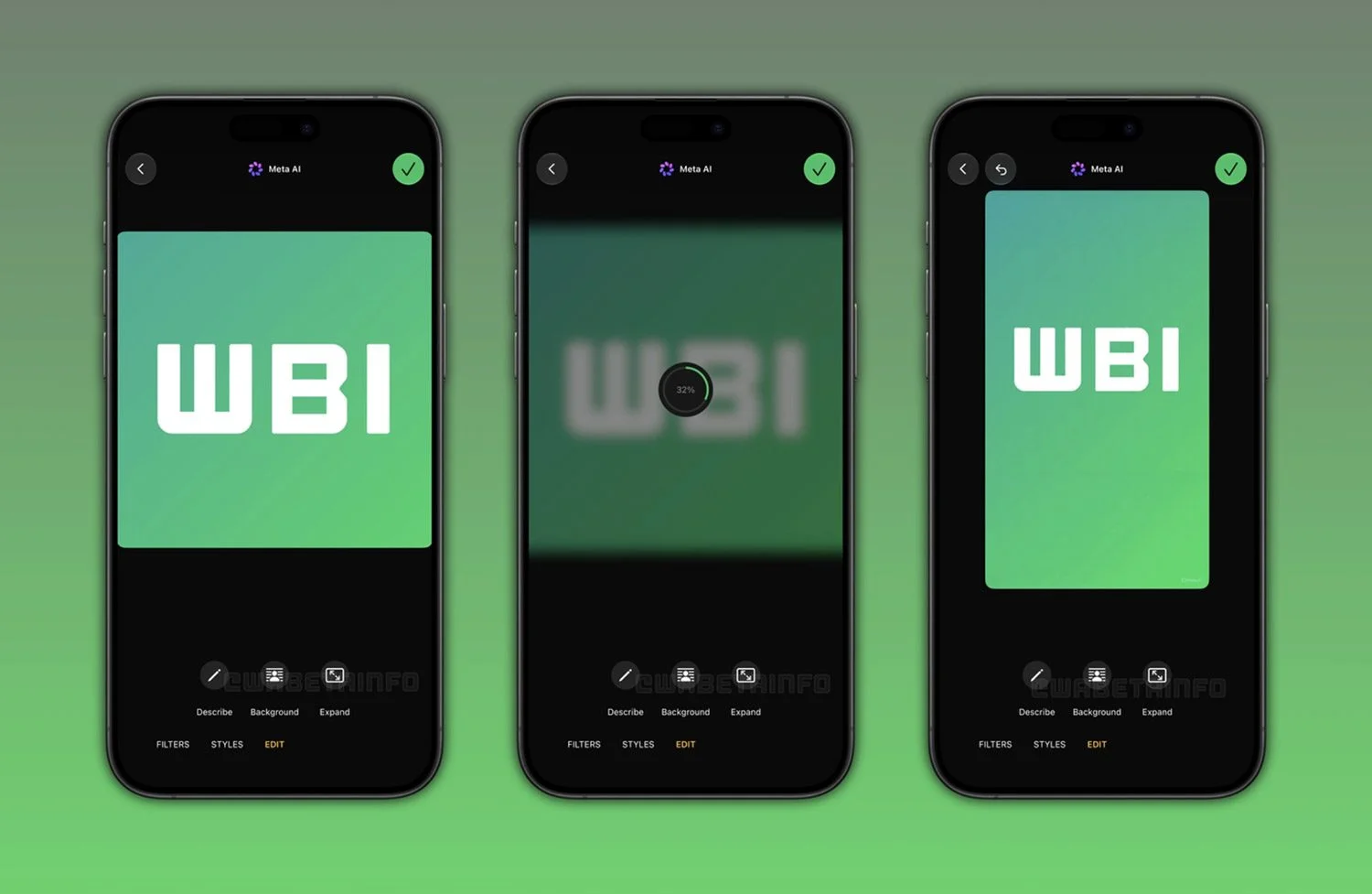
When a user selects a photo, WhatsApp opens its drawing editor, which now includes an option to expand the image. Meta AI analyzes the photo and generates an expanded version in a few seconds. The result can add content beyond the original frame, giving the image a wider or taller composition without asking the user to crop away more of the scene.
Users can review the result in the editor before deciding whether to send it. That review step matters: generative editing can produce an image that looks plausible at a glance but changes details, creates awkward edges, or adds elements that don’t fit the original. WhatsApp’s placement makes the tool easy to try, but the quality of each result will still depend on the image and the user’s judgment.
The feature also works with status updates. If the generated image misses the mark, users can undo the change and try again for a different result, according to WABetaInfo, which first reported the rollout. That ability to retry reduces the cost of experimentation, though it doesn’t guarantee that a later version will better match what the user intended.
A familiar tool, placed closer to sharing
Image expansion is already available in other tools, including Apple’s Extend feature for iPhone users with Apple Intelligence, as well as services such as ChatGPT and Photoshop. WhatsApp’s distinction is mainly about where the edit happens: the feature sits alongside the controls people already use to share photos. That could make image expansion more visible to users who wouldn’t open a dedicated editing app for a small framing adjustment.
Here’s the thing: a convenient location can shape whether a feature gets used, but convenience alone doesn’t make the output reliable. Users may want to check that expanded backgrounds, borders, and nearby objects still look consistent before sharing. This is more significant than it looks as a product choice: WhatsApp is inserting generative editing into a routine action, where trying it takes little effort.
Availability remains limited
The option is showing up for select users, mainly those testing WhatsApp through TestFlight. Some users on the public iOS app have also reportedly received access, and the feature has appeared in the Android beta. Those reports indicate testing across more than one distribution channel, but they don’t establish that the feature is ready for a broad release.
WhatsApp hasn’t announced when it will reach everyone. Its presence across beta versions and some public iOS accounts suggests the rollout is expanding, but there’s no confirmed release date. For now, availability depends on the account and app version, so two people using WhatsApp on the same platform may not see the same controls.
What the rollout could mean
If you’re working in this space, the placement is the useful signal: messaging apps can make AI editing part of the act of communicating, rather than a separate creative task. That may lower the barrier to trying these tools, especially for quick edits made before a photo goes to a group chat or status. And yet, a polished interface can also make generated changes feel more ordinary than they are.
(And this is the part most people overlook.) An expanded image isn’t simply a larger version of the original; the system has to generate visual information outside the frame. Users should treat the result as an edit and inspect it before sharing, particularly when preserving the scene matters. The convenience is clear. Whether people trust the output will depend on how well it handles the photos they actually want to send.
For now, the rollout offers a preview of how Meta AI may fit into WhatsApp’s everyday tools. The feature is narrow, and access remains uneven. A wider release would show whether WhatsApp sees photo expansion as a standard editing control, but the company hasn’t provided a timeline.