Apple Could Expand Formula 1 Streaming Rights Beyond the US
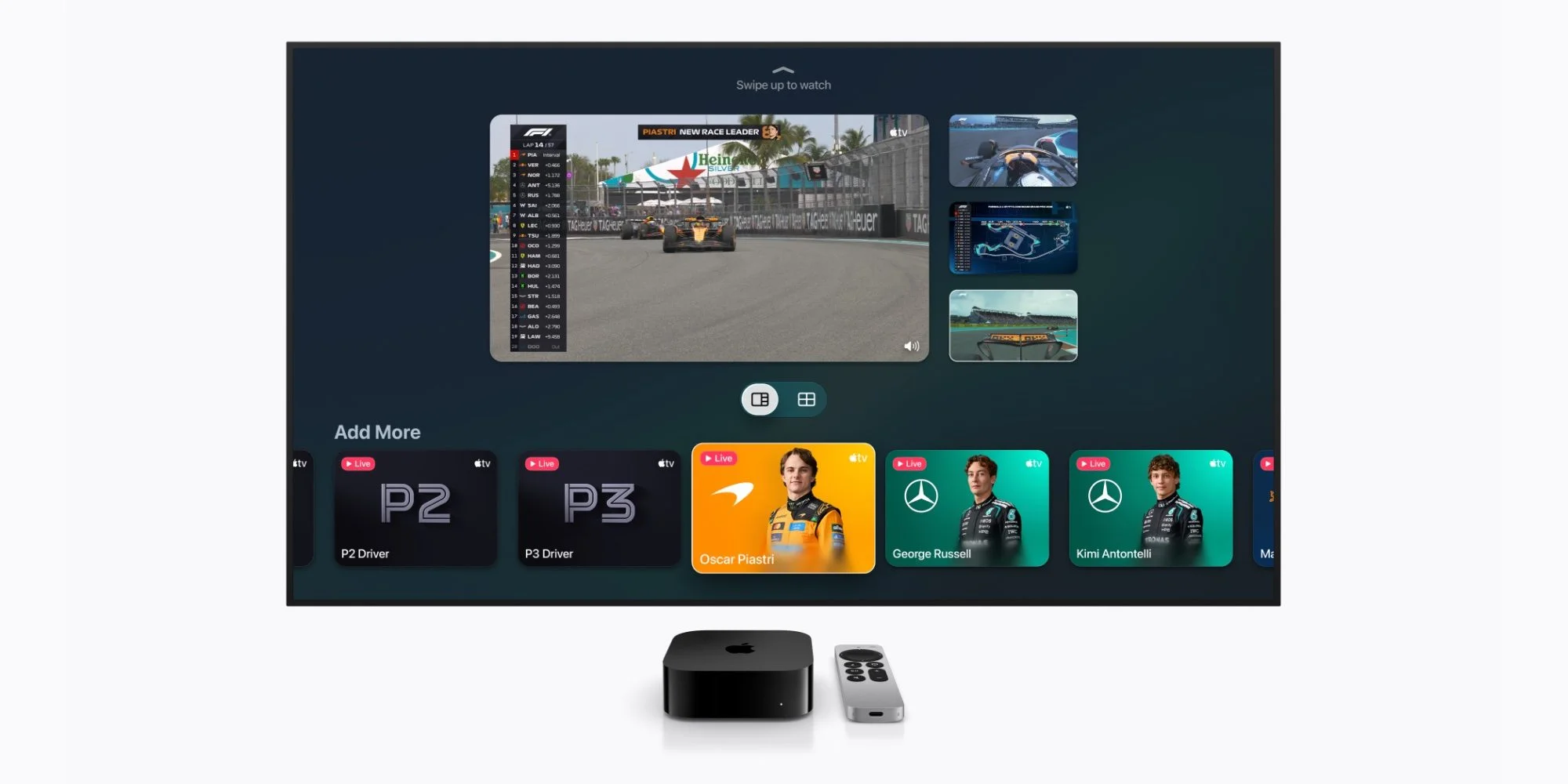
Apple’s Formula 1 deal in the United States could become a template for future market-specific agreements. Formula 1 CEO Stefano Domenicali said Apple is expected to pursue rights in other countries when opportunities open, following a US arrangement that both sides say is performing well. The statement signals interest, though it stops short of confirming negotiations for any particular territory. For now, the US deal is a starting point for assessing how the partnership might travel, not proof that a wider rollout is already taking shape.
More bids as rights become available
Speaking on an earnings call for F1 parent Liberty Media, Domenicali described further Apple deals as part of ongoing discussions. “If there are opportunities that can be in other markets, they will do it … they’re going to do it as soon as these opportunities will be open for them,” he said in response to an investor’s question about Apple’s interest. His wording ties any expansion to the availability of rights: Apple may be willing to bid, but it can't enter a market simply because it wants to. Existing contracts and future rights processes will shape the pace and scope of any move.
Liberty Media CEO Derek Chang also welcomed the possibility of Apple bidding elsewhere, saying the company views Apple as a potential bidder in other markets as helpful to its business. Chang said Liberty continues to consider new ways to develop the product for viewers. That matters because a media-rights deal can do more than shift which service carries a race; the partner can also influence how the sport is presented and packaged. Still, an interested bidder doesn't guarantee a deal, and the comments don't establish that Apple has secured any rights beyond the United States.
The US agreement gives Apple exclusive streaming rights beginning this year, with every race available on Apple TV. Apple and Formula 1 have both pointed to positive audience and subscriber responses, but neither has disclosed viewing figures. That leaves the deal’s performance difficult to assess from outside, even as the companies signal satisfaction. Without audience data, it's hard to tell whether the response reflects new fans, existing viewers shifting services, or a mix of both. The public comments offer a favorable description of the partnership, but not enough detail to measure its reach.
A market-by-market rights strategy
Formula 1 has said it wants a collection of regional media partners rather than a single broadcaster with global rights. That approach means Apple’s interest won’t automatically translate into access everywhere. In the United Kingdom, for example, Sky has renewed its F1 rights through 2034, leaving little room for Apple to enter that market during the term. A regional model gives Formula 1 room to choose partners territory by territory, but it also creates a patchwork for viewers: where you watch, and what service you need, may depend on where you live.
The practical opportunity for Apple, then, depends on when rights in other territories become available and which partner Formula 1 chooses for each one. Domenicali’s remarks suggest the league is open to more Apple agreements, but they don’t point to a specific country or timetable. That distinction is easy to miss. An open door is a negotiating position, not an announced expansion plan, and existing deals can keep markets closed for years. Here's the thing: Apple’s appetite is only one part of the equation; the rights calendar sets the terms.
Features in Apple’s US coverage
Apple’s current US service includes live and on-demand access to all Formula 1 races for subscribers. The company has recently added a Dolby Atmos audio track to its F1 streams and expanded Multiview support to more platforms, including iPhone Duo. These features point to the parts of the experience a streaming partner can shape: sound, screen layout, and access across devices. They may appeal to viewers who want more control over how they follow a race, though the available information doesn't show how many subscribers use them.
Those product additions show where Apple can shape the viewing experience while it holds US rights. If more regional deals follow, the next question will be whether the same features—and the same subscription model—extend to those markets. That choice could matter as much as the rights announcement itself, since viewers will judge the service by its price, availability, and fit with their habits. This is more significant than it looks: rights can bring a sport onto a platform, but the viewing product has to give people a reason to stay. A sharper mix of coverage options. And yet, Apple and Formula 1 haven't said what would carry over internationally.
What broader expansion would mean
For Formula 1, additional Apple agreements could widen the pool of potential media partners and create another route to present the sport in markets where rights become available. For Apple, each territory would be a separate opportunity to connect its streaming service with a live sports property. If you're working in this space, the key signal isn't a promise of global reach; it's whether the US partnership proves useful enough to inform future bids and product decisions.
The evidence remains limited to public comments and the companies’ positive descriptions of audience response. No viewing figures, country targets, or timetable have been disclosed. That leaves a clear but narrow outlook: Apple appears interested in pursuing more rights when it can, while Formula 1 is receptive to considering the company as a bidder. The next meaningful development will be a specific rights opportunity, followed by details that let viewers judge what Apple is offering and what the arrangement changes for them.